広告
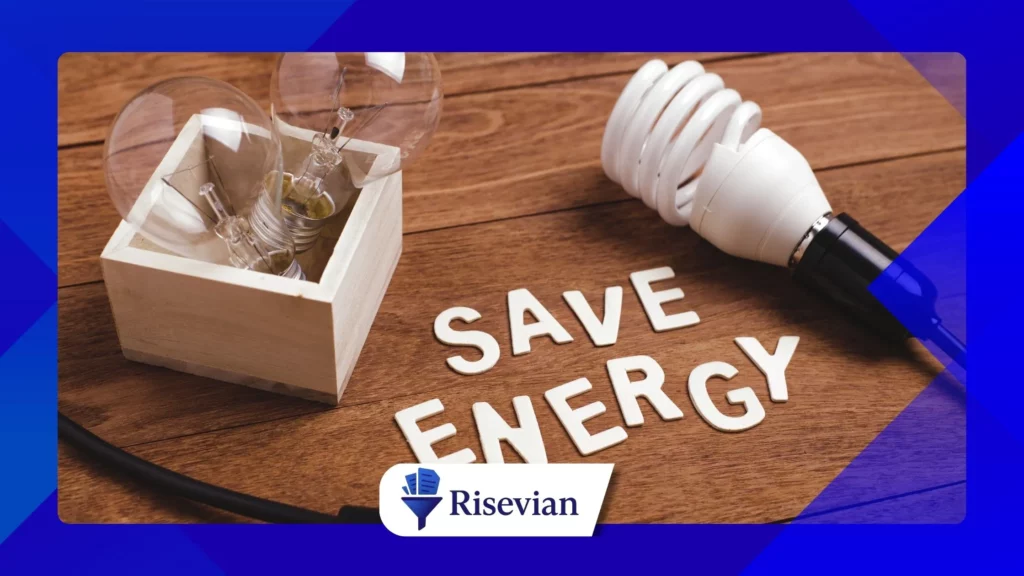
The challenge to save electricity in the United States has become a central financial concern for households facing rising utility bills, regional price volatility, and growing dependence on electrically powered lifestyles.
Electricity consumption now affects not only environmental outcomes but also monthly household stability, forcing families to rethink how homes are built, equipped, and used every single day.
This article explains how Americans can reduce electricity usage through practical, proven strategies that reflect real consumption patterns rather than theoretical or unrealistic advice.
Instead of quick tips, the focus here is on structural decisions, behavioral adjustments, and technology choices that generate measurable and sustainable reductions in power usage.
Each section connects individual household actions with national energy trends, offering context that explains why certain strategies consistently outperform others across states and climates.
広告
By the end, readers will understand exactly where electricity is wasted and how to reclaim control over consumption without sacrificing comfort or modern convenience.
Understanding where electricity is wasted in US homes
Most American households waste electricity through a combination of outdated infrastructure, inefficient appliances, and daily behaviors that quietly increase consumption without improving quality of life.
Heating and cooling systems account for the largest share of residential electricity use, especially in regions with extreme summer or winter temperatures.
Water heating, refrigeration, and lighting follow closely, operating for long hours regardless of actual household demand.
Many homes also lose energy through structural inefficiencies such as air leaks, insufficient insulation, and poor ventilation design.
Recognizing these hidden loss points is essential before any meaningful strategy to reduce electricity consumption can succeed.
+ How to Organize Your Digital Life More Efficiently
Improving insulation and weatherization efficiency
Insulation improvements represent one of the highest-impact strategies for reducing electricity consumption in American homes.
Poorly insulated walls, attics, and basements allow conditioned air to escape, forcing heating and cooling systems to operate longer and harder.
Weatherization measures such as sealing windows, doors, and ductwork reduce constant energy leakage throughout the year.
According to guidance from the U.S. Department of Energy, proper weatherization consistently lowers household electricity demand while improving indoor comfort, as detailed on energy.gov.
These upgrades generate predictable savings over decades, often paying for themselves faster than many appliance replacements.
Choosing efficient appliances and lighting
Household appliances play a decisive role in determining electricity usage patterns across the United States.
Older refrigerators, washing machines, and dryers consume far more electricity due to inefficient motors and outdated temperature regulation systems.
Replacing them with modern, high-efficiency models reduces electricity consumption immediately without changing daily routines.
Lighting upgrades offer some of the fastest returns, with LED bulbs consuming a fraction of the power used by incandescent alternatives.
Research from the U.S. Energy Information Administration confirms that appliance efficiency gains have significantly reduced residential electricity demand nationwide, as documented on eia.gov.
| Appliance Category | Older Technology Usage | Efficient Technology Usage |
|---|---|---|
| Refrigerator | Constant high draw | Optimized continuous draw |
| Lighting | Energy intensive bulbs | Low-consumption LED |
| Washing machine | High water and power | Optimized load cycles |
| Dryer | Extended heating | Reduced heat duration |
Optimizing heating, cooling, and thermostat settings
Heating and cooling systems consume more electricity than any other household category in most US regions.
Improper thermostat settings often cause systems to operate unnecessarily during sleep hours or when homes are unoccupied.
Smart thermostats reduce waste by learning occupancy patterns and adjusting temperatures automatically throughout the day.
Even simple manual adjustments, when applied consistently, can reduce electricity usage without noticeable comfort loss.
Routine HVAC maintenance further improves efficiency by preventing airflow restrictions and electrical strain caused by neglected components.
+ Top Online Tools for Creating PDFs and Documents
Adopting energy-smart daily habits
Daily behavior remains one of the most underestimated factors influencing electricity consumption.
Many electronic devices continue drawing power when idle, creating constant background usage known as phantom load.
Turning off and unplugging unused electronics eliminates this silent drain on household electricity.
Running dishwashers and washing machines with full loads improves efficiency per cycle and reduces unnecessary repetitions.
Choosing cold-water laundry cycles further cuts electricity demand by minimizing water-heating requirements.
Leveraging solar power and utility incentive programs
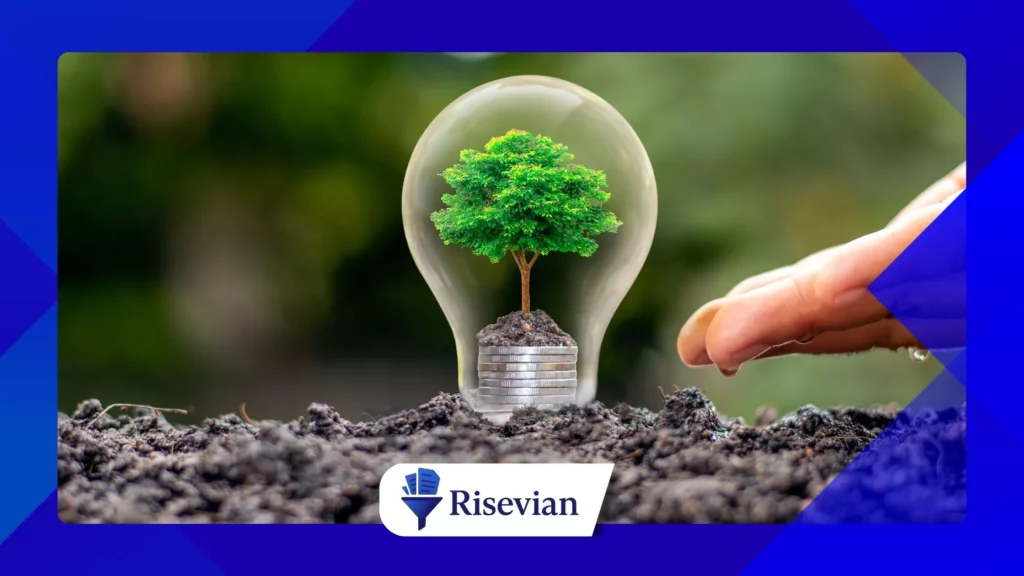
Solar power adoption allows households to offset grid electricity usage while stabilizing long-term energy costs.
Federal and state incentives significantly reduce upfront installation expenses, making solar more accessible than ever.
Utility demand-response programs reward households for reducing electricity usage during peak periods.
Net-metering policies enable homeowners to sell excess solar energy back to the grid, improving overall financial returns.
Community solar programs extend these benefits to renters and multi-family households without direct installation.
結論
Learning how to save electricity in the United States requires understanding both where energy is lost and how technology and habits interact.
The most effective strategies focus on major consumption drivers such as heating, cooling, insulation, and inefficient appliances.
When combined, infrastructure improvements and behavioral changes reinforce one another and maximize long-term savings.
These approaches empower households to lower bills while supporting a more resilient national energy system.
よくある質問
1. What is the most effective way to save electricity at home?
Reducing heating and cooling demand through insulation and thermostat optimization delivers the largest savings.
2. Do energy-efficient appliances really reduce electricity costs?
Yes, modern appliances use significantly less electricity while maintaining the same performance levels.
3. Is upgrading insulation worth the investment?
Proper insulation consistently lowers electricity bills by reducing heating and cooling losses.
4. Can renters meaningfully save electricity?
Yes, efficient lighting, smart habits, and community solar options provide real savings.
5. Is solar energy viable across the entire US?
Solar effectiveness varies by region, but incentives make it viable in most states.
6. Does turning off lights really make a noticeable difference?
Yes. Lighting efficiency adds up over time, especially in homes where lights remain on for long periods, making consistent habits financially meaningful.
7. How much electricity do devices consume when not in use?
Idle electronics can consume significant electricity through standby power, silently increasing monthly bills without providing any functional benefit.
8. Is running appliances at night more efficient?
Running appliances during off-peak hours can reduce costs in regions with time-based electricity pricing structures.
9. Do smart plugs help save electricity?
Smart plugs help eliminate phantom loads by fully cutting power to devices when they are not actively used.
10. Does keeping chargers plugged in waste electricity?
Yes. Chargers continue drawing small amounts of power even when not connected to devices.
11. Can old wiring increase electricity consumption?
Outdated electrical systems may cause inefficiencies and power losses, indirectly increasing household electricity usage.
12. Are ceiling fans effective for saving electricity?
Ceiling fans reduce reliance on air conditioning by improving air circulation, lowering overall cooling demand.
13. Does using power strips reduce electricity waste?
Power strips simplify turning off multiple devices at once, effectively reducing standby electricity consumption.
14. How much does water heating impact electricity bills?
Water heating represents a substantial portion of household electricity use, especially in homes with electric heaters.
15. Is it better to replace appliances before they fail?
Replacing inefficient appliances early often saves more electricity long term than waiting for complete failure.
16. Do laundry habits really affect electricity usage?
Yes. Cold-water washing and full loads significantly reduce energy consumption per cycle.
17. Can small homes benefit from energy-saving strategies?
Absolutely. Smaller homes often see faster percentage-based savings due to lower baseline consumption.
18. Does home office equipment increase electricity costs?
Remote work increases electricity use, making efficient devices and power management essential.
19. Are surge protectors useful for energy efficiency?
They help protect devices but only reduce electricity usage when combined with manual shutoff.
20. How long does it take to see savings after changes?
Many households notice measurable electricity savings within the first billing cycle after implementing improvements.