広告
導入
Online Entertainment has transformed how audiences consume culture, blending technology, creativity, and global connectivity into immersive digital experiences that redefine leisure, social interaction, and modern storytelling across platforms and generations.
From early web-based games to sophisticated streaming ecosystems, online entertainment reflects broader technological shifts that continuously reshape user expectations, business models, and creative possibilities within a rapidly evolving digital economy.
This article explores how online entertainment evolved through technological innovation, cultural adoption, and economic disruption, examining its historical foundations, platform transformations, audience behavior, and the forces shaping its future trajectory.
Understanding this evolution helps explain why entertainment has become increasingly interactive, personalized, and data-driven, influencing not only media consumption but also social identity, community formation, and professional creative industries worldwide.
広告
By analyzing real-world examples and industry patterns, the text highlights how creators, companies, and users co-evolved alongside infrastructure improvements and platform consolidation.
The discussion ultimately demonstrates that online entertainment is not a passing trend but a structural shift redefining how societies create, distribute, and value digital experiences.
+ The Impact of Virtual Reality on Gaming, Film, and Live Events
From Static Content to Interactive Experiences
Early online entertainment primarily involved static websites hosting simple games, downloadable music files, and text-based forums, reflecting limited bandwidth, basic user interfaces, and a one-directional relationship between creators and audiences.
As broadband access expanded, platforms began incorporating multimedia elements, enabling richer visuals, audio streaming, and rudimentary interactivity that gradually increased user engagement and time spent online.
Massively multiplayer online games illustrated this shift clearly, as titles like World of Warcraft demonstrated how persistent digital worlds could foster long-term communities and complex social economies.
These environments encouraged collaboration, competition, and identity-building, transforming entertainment into an ongoing participatory experience rather than a finite product consumed in isolation.
The transition laid foundational expectations for modern online entertainment, where interactivity, continuity, and community involvement became essential components of digital leisure.
The Rise of Streaming Platforms and On-Demand Culture
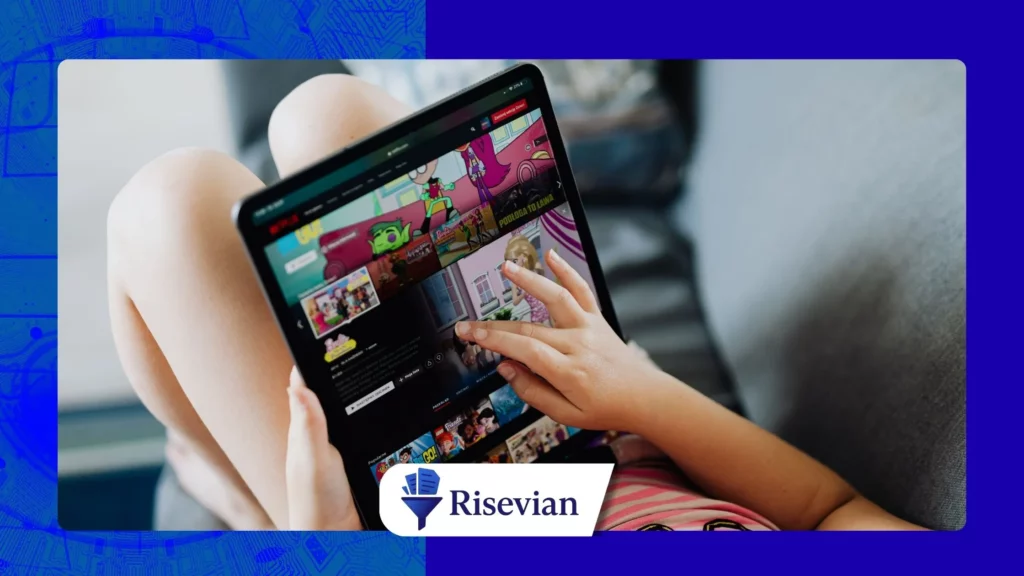
Streaming platforms revolutionized online entertainment by removing fixed schedules, allowing audiences to consume movies, series, and live content whenever and wherever they choose.
Netflix’s transition from DVD rentals to streaming exemplified how technological foresight and data analytics could reshape content distribution and audience habits at a global scale.
On-demand culture also altered production strategies, as creators began designing content optimized for binge-watching and algorithmic recommendation systems rather than traditional broadcast cycles.
According to analysis from the ピュー・リサーチ・センター, streaming adoption has significantly changed media consumption patterns, particularly among younger demographics accustomed to personalized digital environments.
This model shifted power dynamics, giving viewers greater control while forcing studios and networks to adapt rapidly or risk obsolescence.
Social Media as an Entertainment Ecosystem
Social media platforms blurred the boundaries between communication and entertainment, turning short-form videos, memes, and livestreams into dominant cultural formats.
Creators on platforms like YouTube and TikTok built careers by producing highly specialized content, often engaging niche audiences more effectively than traditional media outlets.
Algorithm-driven discovery amplified this trend, rewarding consistency, audience retention, and emotional resonance over conventional production values or celebrity status.
議論された研究 MIT Technology Review highlights how recommendation systems shape creative output, influencing both what audiences see and how creators design content.
Social media entertainment thrives on immediacy and interaction, transforming viewers into participants through comments, shares, and real-time feedback loops.
Economic Models and Monetization Shifts
The evolution of online entertainment introduced new monetization models, including subscriptions, advertising revenue sharing, microtransactions, and creator sponsorships.
These models diversified income streams but also created economic uncertainty, as algorithm changes or platform policies could dramatically impact creator livelihoods overnight.
The table below summarizes key monetization approaches commonly used across online entertainment platforms today.
Platform-driven monetization increasingly relies on data analytics to forecast user spending, optimize pricing strategies, and reduce churn across competitive digital entertainment markets.
Subscription fatigue pushed companies to experiment with hybrid models combining free access, premium tiers, and limited advertising exposure.
In gaming, live service economies normalized recurring spending through cosmetic items, seasonal passes, and constantly updated content ecosystems.
Creators also face financial volatility, as platform dependency exposes income streams to policy shifts and opaque algorithmic adjustments.
Long-term sustainability demands clearer revenue sharing frameworks that balance platform growth incentives with creator protection and audience confidence.
Such financial structures continue to evolve as platforms balance profitability with creator sustainability and audience trust.
Technological Infrastructure and Immersive Media
Advances in cloud computing, low-latency networks, and powerful consumer hardware enabled high-quality streaming, real-time interaction, and increasingly immersive entertainment formats.
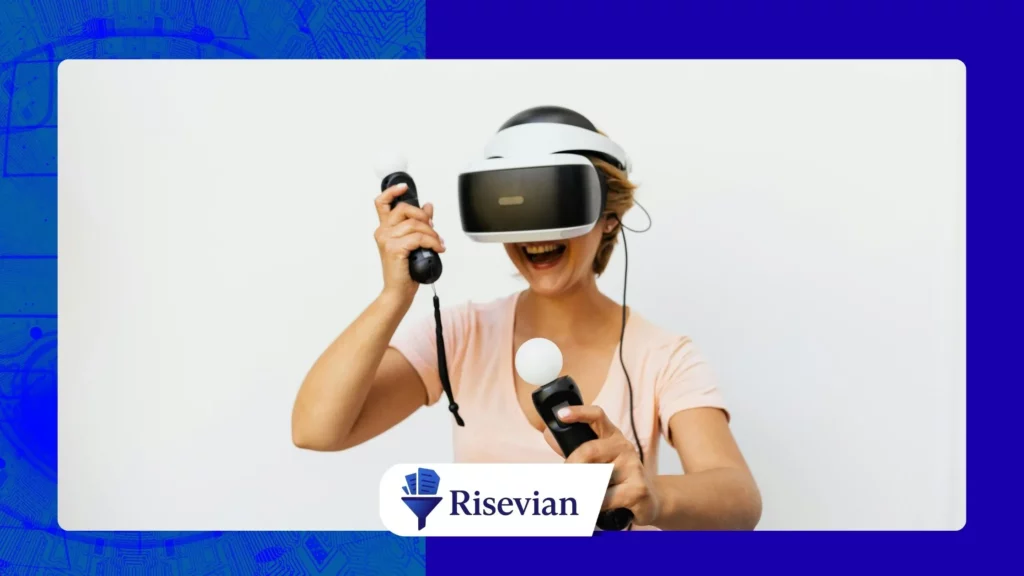
Virtual reality and augmented reality experiences expanded storytelling possibilities, allowing users to inhabit digital environments rather than merely observe them.
Live virtual concerts demonstrated this potential, with millions attending performances inside games or dedicated platforms, blending gaming, music, and social interaction.
These events illustrated how infrastructure investment directly influences creative ambition, as technical reliability becomes essential for large-scale digital gatherings.
Immersive media remains constrained by accessibility challenges, yet its steady growth signals a deeper integration between technology and experiential entertainment.

Cultural Impact and Globalization of Entertainment
Online entertainment accelerated cultural exchange by enabling creators from diverse regions to reach global audiences without traditional gatekeepers.
Korean pop music, independent game developers, and regional streaming series gained international followings through digital platforms, reshaping cultural influence patterns.
This globalization fostered hybrid genres, where local traditions blend with global trends, producing content that resonates across linguistic and cultural boundaries.
At the same time, platform dominance raised concerns about cultural homogenization and unequal visibility within algorithm-driven ecosystems.
The cultural impact of online entertainment therefore reflects both unprecedented diversity and ongoing debates about representation and digital power structures.
+ バーチャルリアリティがエンターテイメントをどう変えるのか
結論
The evolution of online entertainment demonstrates how technology, culture, and economics intertwine to redefine leisure in the digital age.
From static webpages to immersive virtual experiences, each phase built upon previous innovations while reshaping audience expectations and creative possibilities.
This transformation empowered individuals to become creators, communities to form around shared interests, and industries to reimagine distribution and monetization strategies.
As infrastructure and platforms continue evolving, online entertainment will remain a central force shaping how societies connect, express identity, and experience storytelling.
よくある質問
1. How did online entertainment begin?
Online entertainment began with simple web-based games, forums, and downloadable media, limited by early internet speeds and basic interactive capabilities.
2. Why is streaming so influential today?
Streaming offers convenience, personalization, and global access, fundamentally changing how audiences consume and value digital content.
3. How do creators earn money online?
Creators monetize through advertising, subscriptions, sponsorships, and digital goods, often combining multiple revenue streams.
4. What role do algorithms play in entertainment?
Algorithms influence content discovery, audience reach, and creative strategies by prioritizing engagement and retention metrics.
5. Is immersive media the future of entertainment?
Immersive media shows strong potential, but widespread adoption depends on accessibility, cost, and technological standardization.