Annunci
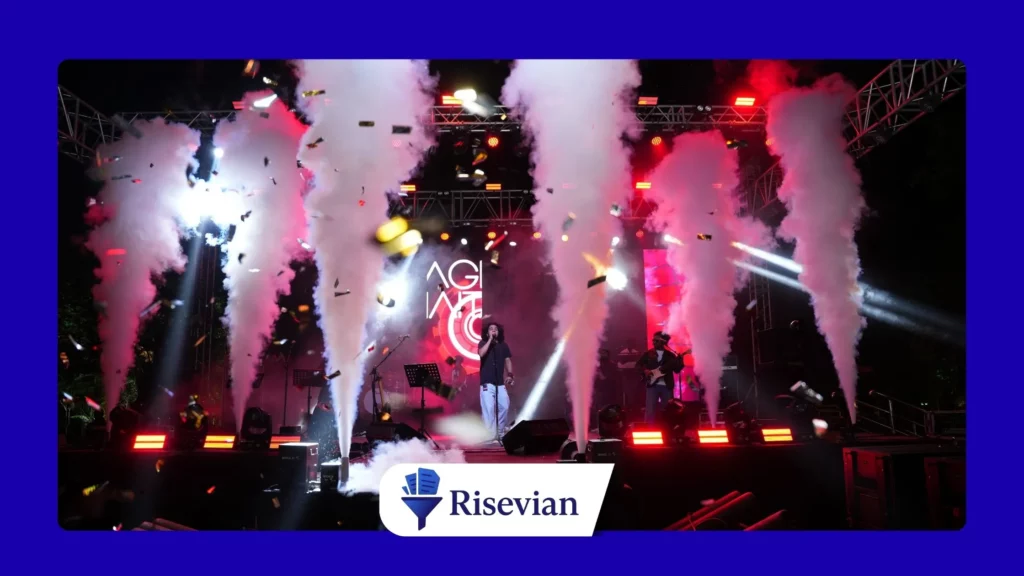
The music industry has always relied on physical presence, yet sudden global disruptions exposed a fragile dependency on live gatherings and touring revenue. Artists and fans faced an unexpected disconnect that reshaped how performances could exist.
Concert halls went silent almost overnight, leaving performers without stages and audiences without shared experiences. This disruption forced the industry to rethink how music could be delivered, consumed, and monetized without physical proximity.
As technology stepped in, virtual concerts and digital festivals began filling the gap, offering immersive alternatives that extended beyond geographic limitations. What initially felt like a temporary fix quickly evolved into a lasting transformation.
However, many people still misunderstand what virtual concerts truly represent, often seeing them as inferior substitutes rather than innovative formats with unique advantages. This perception limits how audiences and creators engage with the medium.
Understanding how this shift happened, why it matters, and what it means for the future reveals a much deeper story about technology, creativity, and human connection in the digital age.
Annunci
The Origins of Virtual Concerts
Virtual concerts did not suddenly appear during global crises, even though their visibility increased dramatically during that period. Early experiments with live streaming technology and online fan engagement had already been quietly shaping this concept.
Platforms like gaming environments and social media networks began integrating music events long before they became mainstream. These early adopters recognized that digital spaces could host audiences at a scale impossible for traditional venues.
The real turning point occurred when artists needed immediate alternatives to canceled tours, forcing rapid innovation. This urgency accelerated the development of tools that allowed real-time audience interaction and immersive performance environments.
What many overlook is that virtual concerts evolved not only from necessity but also from opportunity. Digital formats allowed artists to experiment with visual storytelling, stage design, and audience reach in entirely new ways.
As a result, the industry began to shift its mindset from replacement to expansion. Virtual concerts were no longer just backups but became an additional layer of artistic expression and revenue generation.
This shift also introduced new players into the ecosystem, including tech companies, gaming platforms, and virtual reality developers. These collaborations expanded the possibilities far beyond what traditional concerts could achieve.
Understanding these origins helps explain why virtual concerts continue to grow even after physical events returned. The foundation was already there; the disruption simply accelerated its adoption.
Why Virtual Concerts Gained Massive Popularity
One of the main drivers behind the growth of virtual concerts is accessibility, which removes geographic and financial barriers for audiences. Anyone with an internet connection can participate, dramatically expanding the potential fan base.
This accessibility also aligns with broader digital consumption trends, where convenience often outweighs tradition. According to research from Centro di ricerca Pew, digital engagement has steadily increased across all age groups, reinforcing this shift.
Another factor is cost efficiency for both organizers and attendees, as virtual events eliminate travel, venue, and logistical expenses. This reduction allows for more frequent events and diverse participation without financial strain.
Many people initially assumed virtual concerts lacked emotional impact, but interactive features changed that perception. Tools like live chats, virtual avatars, and audience polls create a sense of shared digital presence.
Additionally, artists can reach global audiences simultaneously, which is nearly impossible with physical touring schedules. This capability transforms how musicians build and maintain international fan communities.
The flexibility of digital formats also allows performances to be recorded and replayed, extending their lifespan. This creates new monetization models that continue generating revenue beyond a single event.
Ultimately, the popularity of virtual concerts reflects a broader cultural shift toward digital-first experiences. Rather than replacing traditional concerts, they complement them in ways that appeal to modern lifestyles.
+ Realtà virtuale nell'intrattenimento: ridefinire le esperienze immersive
How Technology Powers Digital Music Festivals
Behind every successful virtual concert lies a complex infrastructure of streaming platforms, cloud computing, and real-time data processing. These technologies work together to deliver seamless experiences to large audiences.
High-quality streaming is essential, as poor video or audio can quickly disengage viewers. Advances in adaptive bitrate streaming ensure consistent performance across different internet speeds and devices.
Virtual reality and augmented reality have introduced entirely new dimensions to digital festivals. These tools allow users to explore immersive environments that replicate or even surpass physical venues in creativity.
The integration of artificial intelligence also enhances personalization by recommending performances and adjusting content based on user behavior. This creates a more tailored and engaging experience for each attendee.
A key aspect often overlooked is latency, which affects real-time interaction between performers and audiences. Reducing delay is critical for maintaining a sense of immediacy and connection during live events.
Security is another crucial factor, as digital events must protect content from piracy and unauthorized access. According to Istituto nazionale di standard e tecnologia, secure digital infrastructure is essential for maintaining trust in online platforms.
These technological advancements collectively enable virtual concerts to function at scale while maintaining quality and interactivity. Without them, the concept would struggle to deliver meaningful experiences.
Virtual vs Traditional Concerts: Key Differences
Understanding the differences between virtual and traditional concerts helps clarify why both formats continue to coexist. Each offers unique benefits and limitations that appeal to different audience preferences.
Below is a comparison highlighting core distinctions between these two formats:
| Aspetto | Virtual Concerts | Traditional Concerts |
|---|---|---|
| Accessibility | Global, no travel required | Limited by location |
| Cost | Generally lower | Often higher due to logistics |
| Experience | Interactive, digital immersion | Physical, sensory engagement |
| Capacity | Virtually unlimited | Venue-dependent |
| Replay Value | Can be recorded and replayed | Typically one-time experience |
One major advantage of virtual concerts is scalability, allowing millions to attend simultaneously without physical constraints. This dramatically increases potential revenue and audience reach.
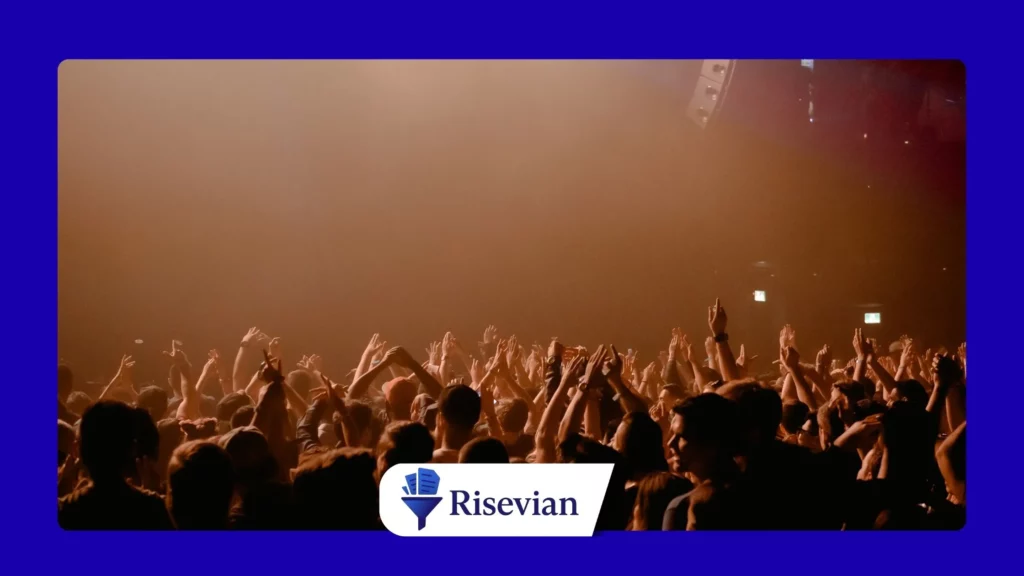
However, traditional concerts provide sensory experiences that digital formats cannot fully replicate, such as crowd energy and physical presence. This emotional intensity remains a key differentiator.
Many fans misunderstand this comparison as a competition, when it is actually a complement. Both formats serve different needs and can coexist within a broader entertainment ecosystem.
Artists increasingly adopt hybrid approaches, combining live performances with digital streaming. This strategy maximizes reach while preserving the authenticity of in-person experiences.
Recognizing these differences helps audiences choose experiences that align with their preferences. It also allows artists to design more effective engagement strategies across multiple platforms.
Monetization in the Digital Concert Era
Monetization has become one of the most transformative aspects of virtual concerts, reshaping how artists generate income. Traditional revenue streams like ticket sales are now complemented by innovative digital models.
One of the most common methods is tiered access, where audiences pay for different levels of experience. This can include exclusive content, backstage access, or interactive features.
Virtual merchandise has also gained traction, allowing fans to purchase digital items such as avatars, skins, or collectibles. These products create new revenue streams that did not exist in physical concerts.
Another significant shift is the integration of sponsorships and brand partnerships within digital environments. These collaborations often feel more seamless and less intrusive than traditional advertising.
Streaming platforms also enable microtransactions, where fans can support artists through small payments during performances. This creates a more direct and continuous income flow.
According to insights from Harvard Business School, digital platforms are increasingly shaping how creative industries monetize content. This trend reinforces the importance of adapting to new economic models.
Understanding these monetization strategies helps explain why virtual concerts are not just temporary solutions. They represent a sustainable and evolving business model for the music industry.
Common Misconceptions About Virtual Concerts
One of the biggest misconceptions is that virtual concerts are inherently less engaging than physical events. This belief often comes from early experiences with low-quality streams or limited interactivity.
In reality, modern virtual concerts offer highly interactive features that can surpass traditional experiences in certain aspects. These include real-time communication, customizable views, and immersive environments.
Another misunderstanding is that virtual concerts are only relevant during emergencies or restrictions. However, their continued growth demonstrates that they fulfill ongoing needs in the digital age.
Some people also assume that artists prefer traditional concerts exclusively, ignoring the creative freedom digital formats provide. Virtual environments allow experimentation that would be impossible on physical stages.
There is also a belief that virtual concerts generate less revenue, which is not always accurate. In many cases, broader reach and lower costs can result in comparable or even higher profitability.
These misconceptions often limit adoption and engagement, preventing audiences from fully exploring what virtual concerts offer. Addressing them is essential for understanding the medium’s true potential.
By recognizing these misunderstandings, both fans and artists can approach virtual concerts with more informed expectations and greater openness to new experiences.
Practical Tips for Enjoying Virtual Concerts
Getting the most out of a virtual concert requires a slightly different approach than attending a physical event. Small adjustments can significantly enhance the overall experience.
First, ensure a stable internet connection and high-quality audio setup, as technical issues can quickly disrupt immersion. Investing in good headphones or speakers can make a noticeable difference.
Second, create a dedicated viewing environment that minimizes distractions and enhances focus. This helps replicate the sense of presence typically associated with live concerts.
Third, actively participate in interactive features such as chats or polls to increase engagement. These elements are designed to simulate social interaction and enhance enjoyment.
- Choose platforms known for reliable streaming quality
- Engage with community features during the event
- Explore additional content like behind-the-scenes footage
Fourth, consider attending with friends virtually, using shared viewing tools or group chats. This adds a social dimension that mirrors the communal aspect of traditional concerts.
Finally, approach virtual concerts with an open mindset, recognizing that they offer different strengths rather than direct replacements. This perspective allows for a more rewarding experience overall.
+ In che modo le community di fan influenzano il successo di film e serie TV?
The Future of Digital Music Festivals
The future of virtual concerts is closely tied to advancements in immersive technology and user experience design. As tools improve, digital events will become increasingly sophisticated and engaging.
One emerging trend is the integration of virtual reality, which allows users to feel physically present within digital environments. This technology continues to evolve, making experiences more realistic over time.
Another development is the use of blockchain for ticketing and ownership, providing transparency and security. This could redefine how access and digital assets are managed within virtual events.
Artificial intelligence is also expected to play a larger role in personalizing experiences and optimizing performance delivery. This creates opportunities for deeper audience engagement.
As these technologies mature, the distinction between physical and digital concerts may become less pronounced. Hybrid models will likely dominate, combining the best aspects of both formats.
The long-term implication is a more flexible and inclusive music industry that adapts to changing audience preferences. This evolution reflects broader trends in digital transformation across industries.
Understanding where virtual concerts are heading helps audiences and creators prepare for a future where digital experiences are not optional but integral.
FAQ About Virtual Concerts and Digital Festivals
What is a virtual concert?
A virtual concert is a live or pre-recorded musical performance delivered through digital platforms, allowing audiences to attend remotely using internet-connected devices.
Are virtual concerts cheaper than traditional ones?
They are often more affordable because they eliminate travel, venue, and logistical costs, though premium experiences can still carry higher prices.
Do virtual concerts feel less engaging?
Not necessarily, as modern features like live interaction and immersive visuals can create highly engaging experiences when properly executed.
Can artists make money from virtual concerts?
Yes, through ticket sales, sponsorships, merchandise, and digital interactions, many artists generate significant revenue from virtual performances.
What technology is needed to attend a virtual concert?
A stable internet connection, a compatible device, and sometimes specific apps or platforms are typically required for participation.
Are virtual concerts here to stay?
Yes, they have become a permanent part of the music industry due to their scalability, accessibility, and evolving technology.
How do virtual concerts compare to live concerts?
They offer different experiences, with virtual concerts focusing on accessibility and interactivity, while live concerts emphasize physical presence and atmosphere.
Conclusion: A New Era of Musical Experience
Virtual concerts and digital music festivals have moved far beyond being temporary solutions, evolving into a significant and lasting part of the entertainment landscape. They represent a shift in how people connect with music, artists, and each other.
By addressing accessibility, cost, and innovation, these digital experiences solve many limitations of traditional concerts while introducing entirely new possibilities. This transformation reflects deeper changes in how society consumes and values entertainment.
At the same time, virtual concerts do not replace physical events but expand the ways music can be experienced. This coexistence creates a richer and more flexible ecosystem for both artists and audiences.
Understanding this evolution helps remove outdated assumptions and opens the door to more meaningful engagement with digital performances. It also highlights the importance of adapting to technological change rather than resisting it.
As the industry continues to evolve, those who embrace both formats will likely gain the most value, enjoying a broader range of experiences. The future of music is not confined to a stage but extends into limitless digital spaces.
+ La psicologia alla base del binge-watching e perché ci piace