Annunci
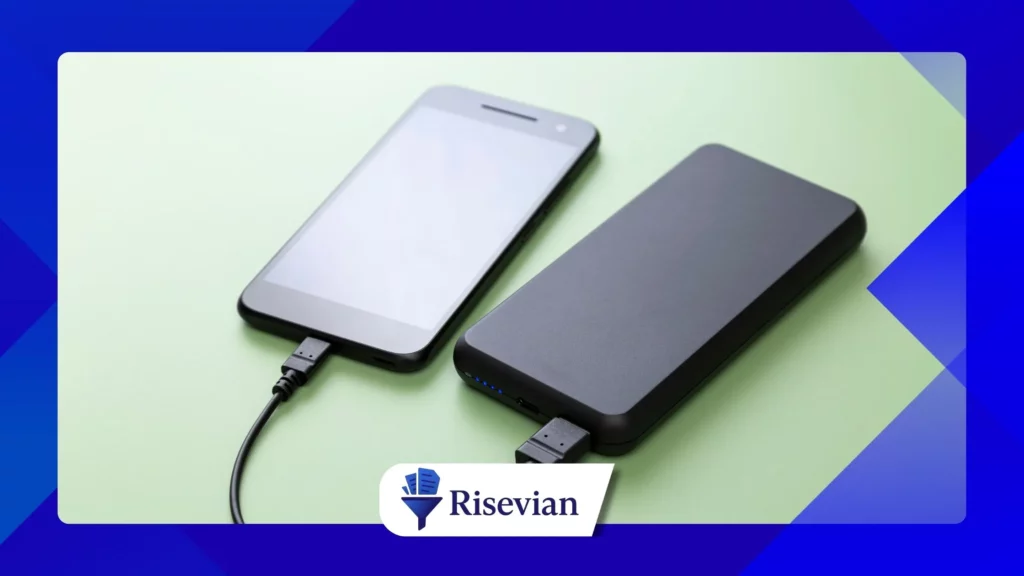
Extending Battery Lifespan has become a central priority for users who depend on smartphones, laptops, and wearables throughout their daily routines.
Manufacturers increasingly recognize that batteries degrade faster when devices are exposed to constant high-voltage charging cycles.
Adaptive charging technology emerged as a strategic solution to slow down chemical aging while maintaining reliable day-to-day performance.
In 2025, this technology evolved into a sophisticated system combining real-time data, predictive behavior modeling, and automated voltage adjustments.
Modern devices now balance longevity and convenience in ways that were not possible only a few years ago.
Annunci
This article explores how companies are reinventing charging technology and what consumers can expect moving forward.
How Adaptive Charging Works in Modern Devices
Adaptive charging systems rely on sensors that analyze user habits and automatically adjust charging speeds to minimize battery stress, giving devices a longer operational lifespan without requiring user intervention.
These systems typically pause charging at 80 percent when the device is inactive, later completing the charge shortly before the user is expected to disconnect it, which significantly reduces chemical wear.
Some manufacturers implement machine-learning models that anticipate daily behavior, using accumulated data to refine charging cycles and maintain efficiency.
Smartphones increasingly integrate thermal controls into adaptive charging, as excessive heat remains one of the most critical factors impacting battery durability.
Users benefit from predictable performance without needing to manually monitor charging patterns.
Real-World Use Cases Showing the Impact of Adaptive Charging
Several companies highlight adaptive charging as a core feature because it visibly enhances day-to-day usability while delaying long-term degradation, particularly in markets where consumers keep devices longer.
Apple’s Optimized Battery Charging, described in detail on the official Supporto Apple website, demonstrates how predictive behavior modeling reduces the time an iPhone spends fully charged.
Dell implemented a feature that restricts maximum charge levels on enterprise laptops, giving IT departments more control over long-term device health in demanding corporate environments.
Real-world tests from independent reviewers show that laptops using capped charging modes retain noticeably higher battery capacity after a year of heavy usage.
These results reinforce how adaptive strategies are becoming essential in professional and consumer markets.
+ The Most Important Tech Trends Shaping the Future of Work
Why Adaptive Charging Is Becoming a Standard Across Industries
Regulatory bodies and research institutions encourage manufacturers to reduce e-waste production, and one strategy involves helping consumers preserve their batteries longer through smarter charging systems.
A report published by the U.S. Department of Energy highlights how battery longevity plays a significant role in sustainability efforts across multiple sectors.
The push for longer-lasting devices influences design choices from smartphones to electric vehicles, which adopt voltage-limiting practices to extend usable lifespans.
Manufacturers recognize that consumers value durability as much as raw performance, increasing pressure to incorporate adaptive charging into their ecosystems.
By 2025, adaptive charging became a competitive differentiator in markets where reliability influences customer loyalty.
Technologies Enabling 2025’s Battery Longevity Breakthroughs
Software optimization remains the foundation of adaptive charging, but hardware innovation increasingly defines how effectively devices can protect battery cells.
Graphene-enhanced electrodes appear in more high-end models because they tolerate high temperatures while maintaining stable energy flow.
Improved battery controllers now measure micro-fluctuations in voltage and temperature, enabling safer real-time adjustments during high-speed charging sessions.
Manufacturers also rely on upgraded power-delivery standards that reduce inefficiencies and prevent overheating during overnight charging.
All these advancements work together to maintain performance while shielding batteries from unnecessary long-term stress.
Comparison Table: Traditional Charging vs Adaptive Charging
Below is a simplified table contrasting conventional charging systems and modern adaptive charging strategies.
| Caratteristica | Traditional Charging | Adaptive Charging |
|---|---|---|
| Charging Pattern | Full-speed until 100% | Adjusts speed based on habits |
| Heat Management | Minimal thermal control | Actively regulates temperature |
| Battery Stress | Higher chemical wear | Reduced cell degradation |
| Predictive Behavior | None | Learns user routines |
| Longevità | Shorter lifespan | Longer operational lifespan |
Adaptive charging introduces measurable improvements that users can observe through retained capacity and reduced overheating, especially during long overnight sessions.
The contrast between these two systems shows why 2025 marks a turning point in battery health preservation.
+ Beginner’s Guide to Cloud Storage and How It Works
Challenges and Limitations of Adaptive Charging Technologies
Adaptive systems depend heavily on accurate behavioral data, and irregular charging patterns can temporarily reduce efficiency.
Devices that struggle with heat dissipation may still degrade faster even with adaptive controls, especially when used in high-temperature environments.
Some users disable adaptive features when they need immediate full-speed charging, unintentionally shortening long-term battery health.
Manufacturers continue balancing convenience and protection while avoiding intrusive monitoring techniques.
Despite limitations, adaptive charging remains one of the most impactful technologies shaping how devices age over time.
Conclusione
Adaptive charging shows that battery longevity is no longer an afterthought but a central pillar of modern technology design.
Consumers increasingly understand the benefits of healthier charging cycles, especially as device replacement becomes more expensive.
Manufacturers continue investing in smarter systems that combine hardware precision with behavior-driven software to maintain long-term performance.
With each new generation, adaptive charging evolves from a premium feature into a standard expectation across industries.
Domande frequenti
1. How does adaptive charging protect battery health?
Adaptive charging reduces chemical wear by limiting full-charge exposure and managing heat. It prioritizes battery longevity by avoiding unnecessary voltage pressure, which often occurs when devices remain plugged in for long periods. Manufacturers design these systems to intervene automatically, ensuring users maintain healthier charging cycles without constant manual adjustments. Over time, the cumulative effect of these protections leads to noticeably higher battery capacity retention.
2. Does adaptive charging slow down performance?
It does not affect performance because voltage adjustments occur only during charging cycles. The device’s processing capabilities remain completely unchanged, allowing users to enjoy full performance even while the system moderates the battery’s intake rate. This separation between performance and charging management ensures that adaptive technologies enhance longevity without interfering with day-to-day operations. As a result, consumers rarely notice any difference in usability.
3. Can users disable adaptive charging features?
Yes, most devices allow toggling the feature for faster charging needs. Some users temporarily disable adaptive charging when traveling or preparing for events that require a full battery sooner than usual. However, manufacturers generally recommend keeping the feature active since long-term protection outweighs the temporary speed advantage. When users depend on frequent rapid charges, re-enabling adaptive charging afterward helps restore healthier charging habits.
4. Do all smartphones support adaptive charging in 2025?
Most modern smartphones offer some version of adaptive or optimized charging. Flagship models typically include advanced predictive behavior systems, while mid-range devices use simpler versions that still limit full-charge exposure. Older models might require software updates before gaining access to similar features, and some may never support adaptive charging due to hardware limitations. The technology continues expanding across brands as consumers demand longer-lasting batteries.
5. Does adaptive charging work with fast chargers?
Yes, systems regulate voltage to balance speed and protection. Fast chargers still deliver high power when necessary, but adaptive controls intervene to prevent overheating and prolonged exposure to maximum voltage. This balance ensures users benefit from quick top-ups while still preserving battery health over time. Manufacturers focus heavily on integrating fast charging with longevity features because consumers increasingly expect both convenience and durability from modern devices.