Anúncios
5G Technology has redefined how smartphones perform by dramatically increasing connection speeds, reducing delays, and enabling users to experience digital content with unprecedented smoothness across everyday mobile activities.
This new wireless standard impacts nearly every aspect of smartphone performance, from streaming quality and gaming responsiveness to app functionality and cloud-based services that depend on fast connections.
Its advanced capabilities allow users to download files quicker, join high-quality video calls with fewer interruptions, and use apps that require consistent real-time data to function properly.
Students, professionals, and creators benefit collectively from a mobile environment where apps load faster, platforms connect instantly, and online services respond almost immediately.
The increased efficiency provided by this technology enhances everyday convenience while supporting emerging digital trends that rely heavily on fast and stable mobile networks.
Anúncios
This article examines how 5G improves smartphone performance in 2025 and explains why its technical advantages matter for users who expect speed, reliability, and seamless digital experiences.
1. Understanding the Foundation of 5G Performance
5G networks rely on advanced spectrum technologies that increase bandwidth and boost the number of devices that can connect simultaneously without slowing down other users nearby.
Smartphones compatible with 5G benefit from lower latency, meaning the time it takes for data to travel between device and server is significantly reduced, improving response times for all apps.
This reduced latency dramatically affects experiences such as online gaming, remote work, and streaming, offering smoother performance and minimizing lag even in crowded locations or unstable coverage zones.
The enhanced network architecture supports real-time applications that were previously limited by slower mobile networks, enabling users to access interactive platforms more consistently throughout the day.
5G also increases overall reliability during peak usage times, reducing disruptions and improving connection quality for users in universities, offices, sports venues, and urban public spaces.
2. Faster Download and Upload Speeds That Change Daily Use
The speed improvements offered by 5G allow users to download large files, apps, and updates in seconds rather than minutes, transforming how smartphones manage demanding tasks every day.
Streaming platforms benefit heavily from these enhanced speeds, providing higher-quality playback with fewer buffering issues, especially when watching long videos or live events under unstable network conditions.
Cloud-based tools perform significantly better because uploading documents, sending attachments, and syncing files occur faster, supporting productivity across personal and professional environments.
A study published by the Federal Communications Commission notes that 5G supports high-bandwidth activities that require rapid data transfer, improving mobile experiences that depend on persistent connectivity.
Upload speeds also improve video calls, content sharing, and work collaboration by allowing users to send high-quality media without delays that interrupt communication or stall workflow progression.
The Federal Communications Commission offers detailed insights into 5G spectrum allocation on the FCC Official 5G Guide
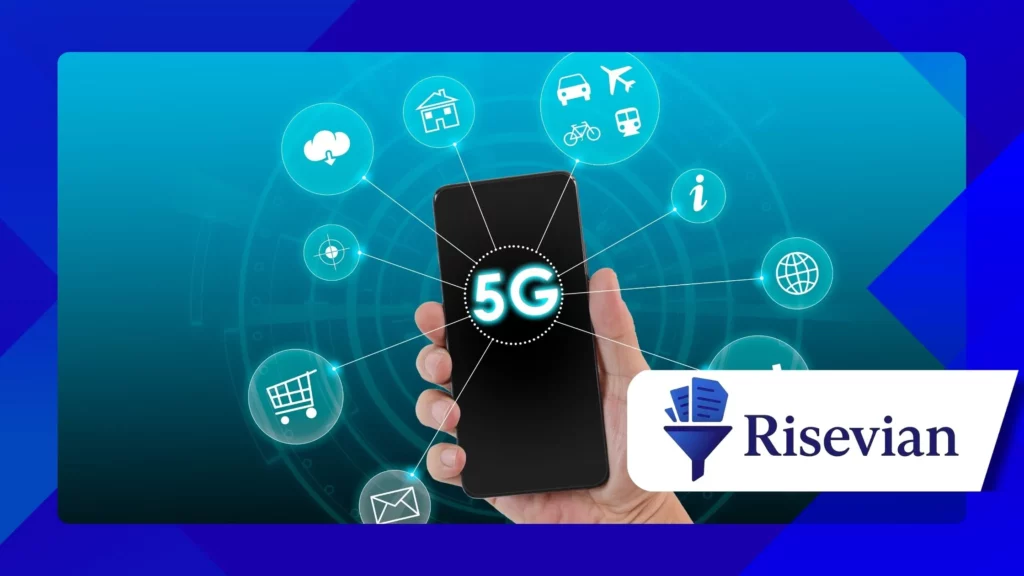
3. Enhancing Mobile Gaming and Real-Time Applications
Mobile gamers benefit from 5G because the reduced latency ensures rapid communication between game servers and user devices, improving responsiveness during complex multiplayer matches and fast-paced events.
This improvement leads to fewer interruptions or lag spikes during competitive sessions, allowing gamers to perform more accurately and consistently regardless of location or movement.
Augmented reality applications also work more effectively because they require instant data processing to synchronize real-world environments with digital overlays displayed on smartphone screens.
Creators and professionals who use cloud-rendered design tools experience smoother performance because 5G provides faster access to remote computing resources that process large files more efficiently.
Industry researchers from the IEEE highlight that 5G’s enhanced responsiveness supports new categories of mobile apps that rely on real-time data, expanding both entertainment and productivity opportunities for users.
Technical research on next-generation networks is available through the IEEE Communications Technology Resources.
4. Improving Video Calls, Streaming, and Multimedia Quality
5G significantly enhances video call quality by maintaining stable signals and enabling higher-resolution streaming without the pixelation issues frequently seen on slower mobile networks in the past.
This improvement becomes especially valuable for students participating in virtual learning, remote workers attending meetings, and families communicating from long distances using high-quality video platforms.
Music and video streaming services gain efficiency because 5G improves buffering speed and reduces interruptions, ensuring that users enjoy more consistent playback throughout commutes and public travel.
Smartphone cameras and apps that rely heavily on cloud storage upload data quicker, allowing users to back up photos, share large videos, or post online content without long waiting times.
Stronger network reliability ensures that users who travel across busy areas or congested public zones experience fewer drops in connection quality while streaming or accessing multimedia content.
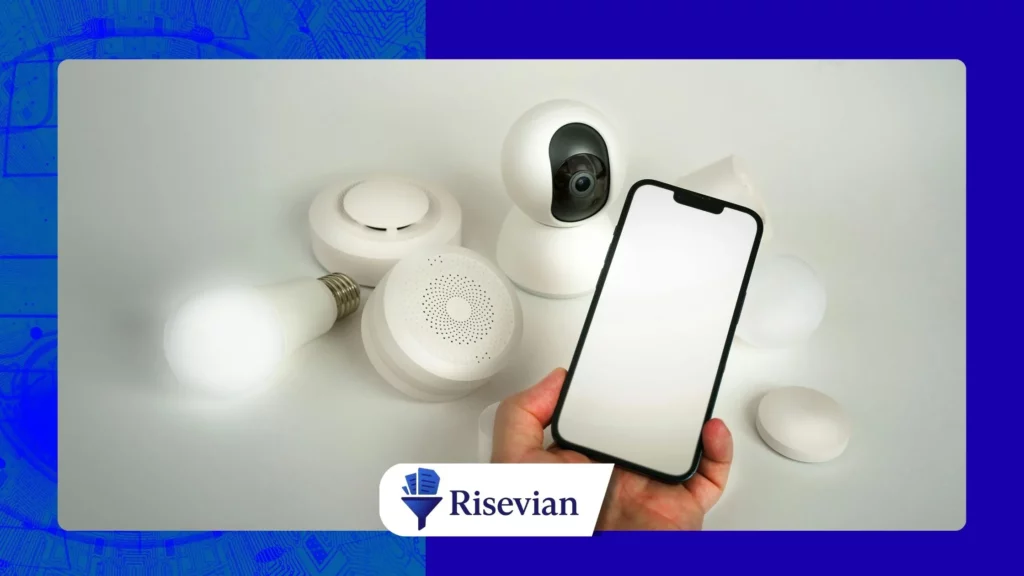
+ How Smart Home Devices Are Making Houses More Efficient
5. Expanding Browser Performance and App Functionality
Web browsing becomes smoother with 5G because pages load faster, interactive components respond sooner, and websites with heavy multimedia content operate more efficiently under high-speed conditions.
Apps that require constant server communication, such as mapping services, ride-sharing platforms, and online shopping tools, benefit from instant synchronization that improves user experience and reduces delay.
Social media platforms load high-resolution images and videos rapidly, enabling users to scroll smoothly and interact with content without interruptions or long loading times.
Cloud-based productivity tools such as note apps, online editors, and collaboration platforms run more efficiently because 5G enables faster synchronization and real-time updates.
The increased bandwidth also supports complex apps that rely on AI processing or machine learning models by improving data transfer speeds between smartphones and server infrastructure.
6. Supporting Smart Devices and Future Connected Ecosystems
5G helps smartphones perform better as control hubs for smart home devices by enabling quicker command response and smoother integration between multiple connected appliances in daily environments.
Smart security cameras benefit from faster connections because mobile users can access real-time video feeds without lag or delay when monitoring homes or receiving safety alerts.
Wearables communicate more effectively with smartphones under 5G, reducing data syncing time for health metrics, activity logs, and notifications that appear throughout the day.
Smart city infrastructure integrates more efficiently with mobile devices because the network supports real-time updates for transportation services, traffic alerts, and public safety information.
This broader connectivity will expand in coming years as more devices rely on instantaneous communication, supporting a digital ecosystem that operates smoothly across multiple platforms and technologies.
Table: Key Advantages of 5G Technology for Smartphone Users
| Benefit | Description | User Impact |
|---|---|---|
| Faster Speeds | Enables quick downloads and uploads | Better streaming and app performance |
| Lower Latency | Reduces response time | Smoother gaming and video calls |
| Greater Reliability | Stronger connections across busy areas | Fewer interruptions and dropped signals |
| Enhanced Cloud Access | Improves syncing and storage | Faster backups and collaboration |
| Better Integration | Supports smart devices | Stronger connected ecosystems |
Conclusion
5G has significantly improved smartphone performance by delivering faster speeds, lower latency, and stronger reliability across multiple digital activities that people use on a daily basis today.
Its enhanced capabilities support the growing reliance on cloud services, streaming platforms, and productivity tools that require consistent and stable data connections to work efficiently.
These advancements provide better experiences for students, professionals, gamers, and creators who depend on real-time communication and high-quality mobile performance across various environments.
As 5G continues expanding across regions, users will experience even greater improvements as new apps and services adopt capabilities tailored to the network’s advanced features and efficiency.
FAQ
1. Does 5G drain smartphone battery faster?
Some phones use more power, but newer models optimize energy usage.
2. Is 5G available everywhere?
Coverage continues expanding, but rural areas may still experience gaps.
3. Do all apps benefit from 5G?
Apps requiring real-time data gain the greatest improvements in performance.
4. Are 5G smartphones more expensive?
Prices vary, but many mid-range devices now include 5G support.
5. Does 5G improve streaming quality?
Yes, streaming becomes smoother with fewer interruptions or resolution drops.