Anuncios

Introducción
Digital Entertainment has become a defining force shaping how audiences consume culture, leisure, and information across connected devices, platforms, and global markets in increasingly personalized and data-driven environments.
This article examines how technological innovation, audience behavior, and creative industries intersect to redefine entertainment, emphasizing structural shifts rather than short-lived novelties or promotional narratives.
By exploring platforms, formats, and economic models, the discussion highlights how entertainment reflects broader social changes linked to mobility, connectivity, and algorithmic mediation.
Anuncios
The text also considers how creators, companies, and audiences negotiate power, value, and attention within competitive digital ecosystems.
Real-world examples illustrate how entertainment companies adapt strategies to remain relevant while balancing innovation, sustainability, and cultural responsibility.
Ultimately, the article argues that digital entertainment trends reveal not only technological progress but also evolving human expectations about storytelling, participation, and shared experiences.
Streaming Platforms and Content Transformation
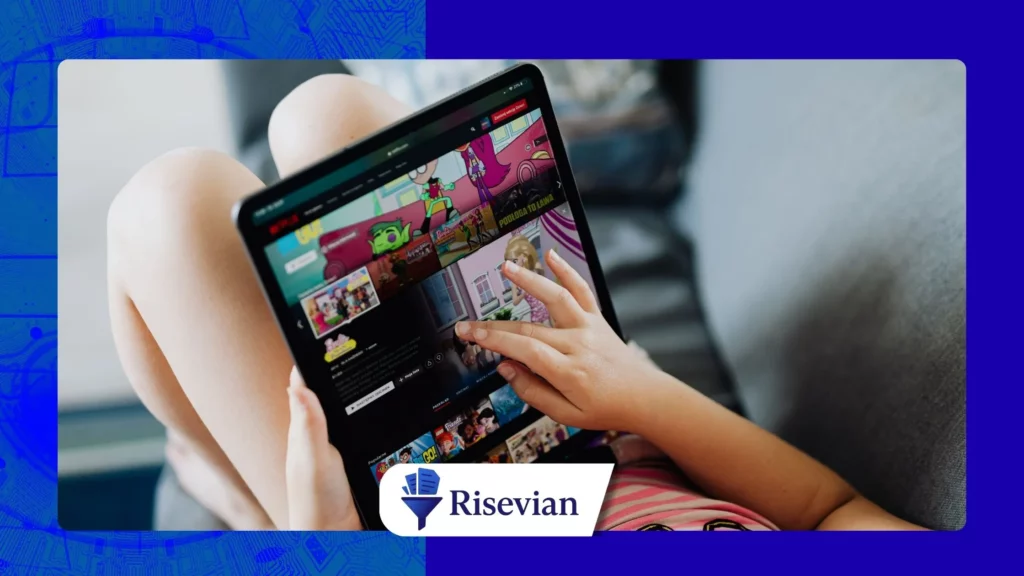
Streaming platforms have reshaped entertainment distribution by prioritizing on-demand access, global catalogs, and algorithmic recommendations that influence viewing habits and redefine traditional release cycles.
Netflix’s investment in localized productions demonstrates how platforms combine data analytics with regional storytelling to reach diverse audiences while maintaining scalable global operations.
This transformation challenges legacy broadcasters, forcing them to reconsider advertising models, scheduling logic, and audience measurement practices shaped by decades of linear consumption.
Streaming competition also intensifies content spending, with companies racing to secure intellectual property capable of sustaining long-term subscriber loyalty and cultural relevance.
As production budgets rise, creative risks increase, prompting debates about artistic freedom, market homogenization, and the sustainability of constant content expansion.
Interactive Media and Audience Participation
Interactive formats increasingly define digital entertainment, encouraging audiences to influence narratives, outcomes, and social dynamics through active participation rather than passive consumption.
Video games exemplify this shift, blending storytelling, competition, and community, while generating revenues that surpass film and music industries combined.
Platforms like Twitch transform gameplay into performative entertainment, where streamers build careers through audience engagement, sponsorships, and real-time interaction.
Research from institutions such as the Centro de Investigación Pew highlights how younger audiences value participatory media experiences that foster identity, creativity, and social belonging.
This participatory turn forces creators to design content ecosystems, not isolated products, integrating feedback loops that continuously reshape entertainment experiences.
Coverage published by BBC Future shows how interactive games and participatory digital formats reshape audience engagement through collaboration, choice-driven narratives, and shared online experiences.
The Role of Algorithms and Personalization
Algorithms sit at the core of digital entertainment, shaping discovery, visibility, and consumption through personalized recommendations driven by behavioral data.
These systems increase user engagement but also raise concerns about filter bubbles, cultural fragmentation, and reduced exposure to diverse creative voices.
Music streaming services illustrate this tension, balancing curated playlists with algorithmic suggestions that can accelerate unknown artists or reinforce dominant genres.
Editorial teams increasingly collaborate with data scientists to align human judgment with automated systems, seeking credibility alongside efficiency.
The growing influence of algorithms prompts regulatory and ethical debates about transparency, accountability, and cultural responsibility in entertainment platforms.
+ Por qué Comfort Entertainment está reemplazando a los éxitos de taquilla en la era del streaming
Social Media as Entertainment Infrastructure
Social media platforms now function as primary entertainment venues, hosting short-form videos, live streams, and viral narratives consumed daily by billions worldwide.
Creators on platforms like TikTok leverage trends, humor, and authenticity to achieve rapid visibility without traditional industry gatekeepers.
This decentralization disrupts celebrity culture, allowing micro-influencers to command loyal audiences and monetize attention through brand partnerships.
According to analysis from the BBC, social entertainment blurs boundaries between media consumption, communication, and self-expression.
However, platform dependency creates vulnerabilities, as algorithm changes can abruptly reshape visibility, income stability, and creative strategies.
Virtual Experiences and Immersive Technologies
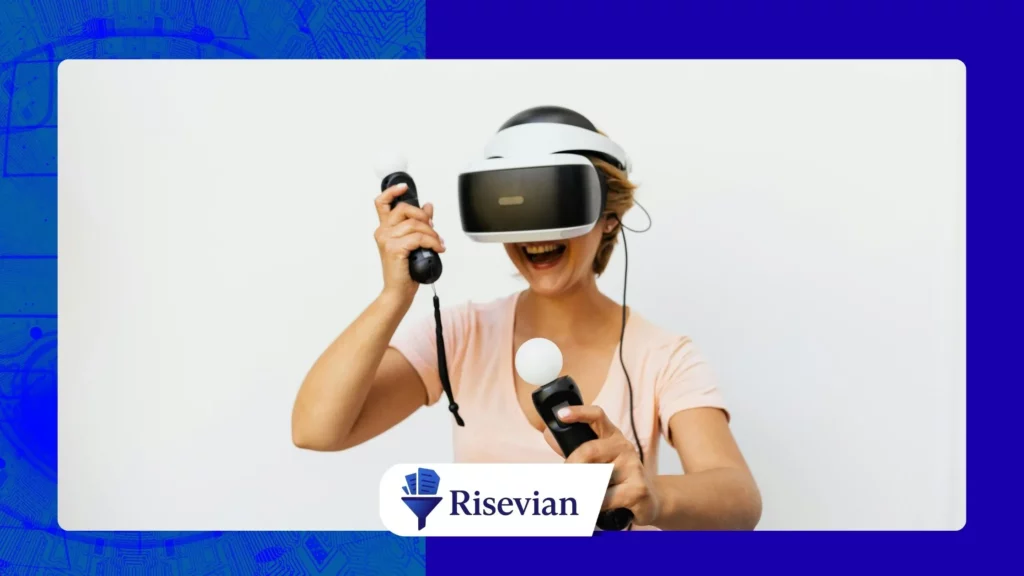
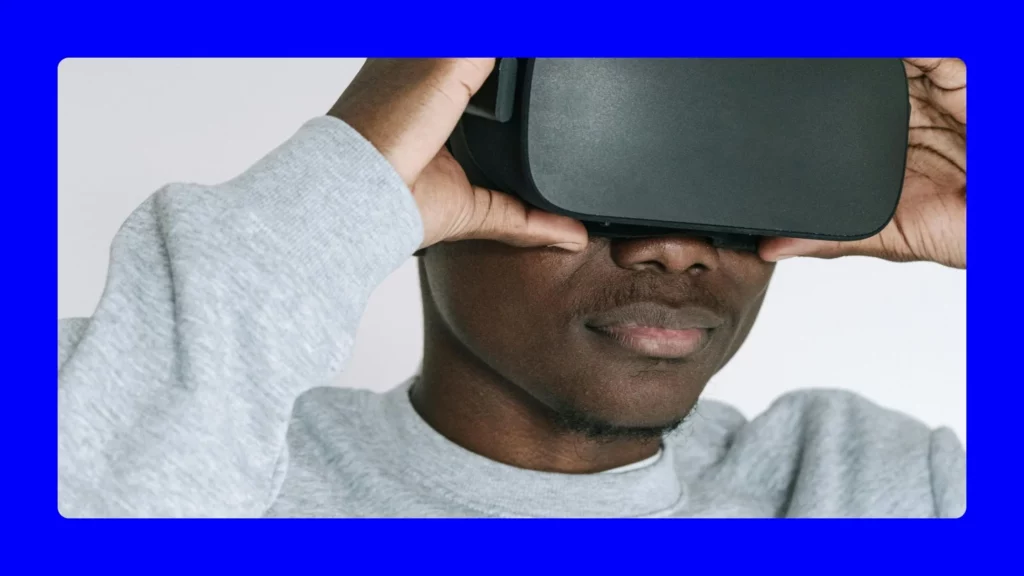
Virtual and augmented reality expand digital entertainment beyond screens, offering immersive experiences that blend physical and digital environments.
Live concerts hosted in virtual worlds demonstrate how artists reach global audiences without geographical constraints or traditional venue limitations.
Gaming engines increasingly power these experiences, enabling persistent worlds where social interaction becomes central to entertainment value.
Despite technological promise, adoption remains uneven due to hardware costs, usability challenges, and unresolved questions about long-term engagement.
Nevertheless, immersive entertainment continues attracting investment as companies explore new forms of presence, storytelling, and emotional connection.
+ Los mejores documentales para ver sobre crecimiento personal
Economic Models and Creator Sustainability
Digital entertainment economies rely on complex monetization models, including subscriptions, advertising, microtransactions, and direct fan support mechanisms.
Creators increasingly diversify income streams to mitigate platform volatility and maintain financial independence within competitive digital markets.
Patreon and similar platforms exemplify this shift, enabling audiences to directly fund creative work while fostering community relationships.
Yet economic inequality persists, with a small percentage of creators capturing disproportionate attention and revenue across platforms.
Addressing sustainability requires transparent policies, fair revenue sharing, and tools supporting long-term creative development.
Conclusión
Trends in digital entertainment reflect deeper transformations in technology, culture, and economics, revealing how audiences seek agency, personalization, and meaningful engagement.
Streaming, interactivity, and social platforms collectively redefine how stories circulate, how communities form, and how value is created.
These trends also expose tensions between innovation and responsibility, particularly regarding data use, creator welfare, and cultural diversity.
Understanding digital entertainment requires viewing it as an evolving ecosystem where technological choices shape human experience.
Preguntas frecuentes
1. What defines digital entertainment today?
Digital entertainment encompasses streaming media, interactive content, social platforms, and immersive technologies shaped by connectivity, data, and audience participation across multiple devices and cultural contexts.
2. Why are streaming platforms so influential?
Streaming platforms influence entertainment by controlling distribution, investing in original content, and using data-driven personalization that reshapes consumption habits and industry economics.
3. How do algorithms affect audience choices?
Algorithms guide audience choices by prioritizing personalized recommendations, increasing engagement while potentially limiting exposure to diverse or unconventional content.
4. What role do creators play in digital entertainment trends?
Creators drive trends by experimenting with formats, engaging communities, and adapting monetization strategies within evolving platform ecosystems.
5. Is digital entertainment sustainable long term?
Long-term sustainability depends on balanced economic models, ethical data practices, and supportive environments that enable creative diversity and fair compensation.
6. How has mobile usage influenced digital entertainment trends?
Mobile devices have expanded access to digital entertainment, encouraging shorter formats, on-demand consumption, and location-independent experiences that align with modern, fast-paced lifestyles.
7. What challenges do traditional media companies face in the digital era?
Traditional media companies struggle with declining linear audiences, shifting advertising revenues, and the need to adapt legacy structures to data-driven, platform-centric entertainment models.
8. How does digital entertainment impact cultural globalization?
Digital entertainment accelerates cultural globalization by distributing local content globally, while also raising debates about cultural dominance, representation, and narrative diversity.
9. Why is audience data so valuable in entertainment platforms?
Audience data enables platforms to personalize content, optimize engagement, forecast trends, and reduce financial risks associated with production and distribution decisions.
10. What future trends may shape digital entertainment?
Future trends include deeper immersion through virtual environments, greater creator autonomy, hybrid monetization models, and increased regulatory oversight of platforms and algorithms.
+ Cómo las plataformas de streaming están cambiando el entretenimiento