Anzeigen
Fan Communities have become a powerful force shaping modern entertainment, transforming audiences from passive viewers into active participants capable of influencing storytelling decisions, marketing strategies, and the long-term success of movies and television series.
In earlier decades, audiences mainly expressed enthusiasm through ratings, box office numbers, and occasional fan mail, leaving studios with limited insight into how viewers emotionally connected with characters, narratives, and evolving franchises.
Digital communication platforms dramatically changed this relationship, allowing fans to gather online, analyze episodes, debate theories, and coordinate collective reactions that studios increasingly observe when evaluating audience engagement.
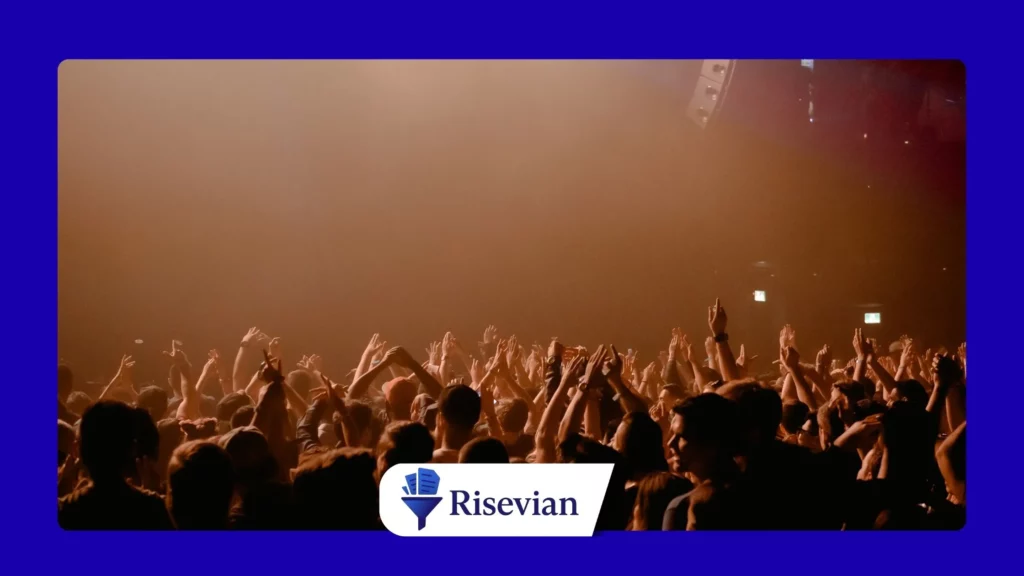
Large online communities now extend the cultural lifespan of films and series by generating memes, discussions, theories, and commentary that maintain attention long after the official release window closes.
This new environment encourages producers, writers, and streaming platforms to monitor fan sentiment closely when making decisions about renewals, narrative directions, and future expansions of popular entertainment franchises.
Anzeigen
Understanding the growing power of organized audiences helps explain why modern entertainment increasingly evolves through interaction between creators and passionate viewers who actively shape the cultural trajectory of stories.
The Rise of Organized Fan Communities
Fan culture existed long before the internet, but digital platforms transformed scattered enthusiasts into organized global communities capable of coordinating discussion around films, series, and entire entertainment franchises.
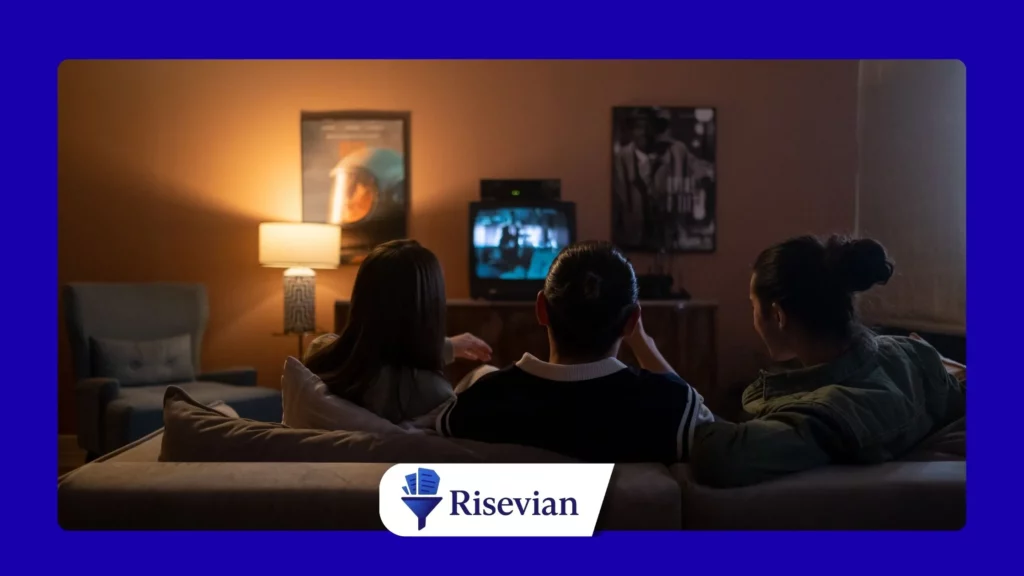
Online forums, streaming comment sections, and social media groups allow viewers to analyze storylines, debate character decisions, and share emotional reactions immediately after episodes or movie premieres.
These networks extend the life of entertainment properties because fans continue producing discussions, theories, and creative interpretations long after a film leaves theaters or a series finishes its season.
Entertainment companies recognize that strong fan engagement builds loyal audiences who follow franchises across multiple seasons, spin-offs, and related productions.
What once appeared as casual enthusiasm has evolved into a structured cultural ecosystem where collective fan voices increasingly shape entertainment visibility and long-term popularity.
+ Die Evolution der Online-Unterhaltung
Social Media and the Power of Collective Attention
Social media platforms have dramatically amplified audience influence by transforming individual reactions into global conversations capable of shaping public perception around films and television series.
Trending hashtags, viral reaction clips, and discussion threads frequently generate publicity within hours, sometimes rivaling traditional marketing campaigns financed by major studios.
Forschungsergebnisse, die von der Pew-Forschungszentrum shows how online communities significantly influence cultural discussion and media consumption patterns across multiple demographic groups.
A notable example appeared during the global popularity of the series Stranger Things, when fans produced countless memes, theories, and reaction videos that expanded the show’s visibility beyond traditional marketing.
These waves of digital engagement often determine whether a production becomes a brief release or a widely discussed cultural phenomenon supported by enthusiastic audiences.
Fan Campaigns That Influenced Entertainment Decisions
Fan Communities sometimes move beyond discussion and organize campaigns that directly influence industry decisions, demonstrating how collective audience activism can reshape entertainment outcomes.
One widely discussed case involved Zack Snyder’s Justice League, released after years of persistent online campaigns demanding the director’s original vision following criticism of the theatrical version.
Another notable case occurred when viewers rallied online to save the comedy series Brooklyn Nine-Nine, leading to renewed network interest and eventually allowing the show to continue production.
These movements demonstrate how coordinated online campaigns, petitions, and social media trends can create public pressure that studios must carefully consider.
Although not every campaign succeeds, these examples show how organized audiences increasingly participate in shaping the entertainment landscape.
Creative Dialogue Between Fans and Storytellers
Writers and producers frequently monitor fan reactions in real time, using audience feedback to understand which characters, themes, or relationships resonate most strongly with viewers.
Fan theories generate extensive discussions that sometimes inspire new narrative possibilities, particularly in long-running television series where writers can adjust future storylines.
Academic research published through institutions like the University of Southern California explores how participatory fan culture fosters dialogue between audiences and creators.
This relationship requires careful balance because storytellers must respect their creative vision while acknowledging the emotional investment that audiences bring to fictional worlds.
When handled thoughtfully, this interaction strengthens audience loyalty and deepens engagement between creators and the communities supporting their work.
Economic Power of Passionate Fanbases
Fan engagement produces measurable economic impact, influencing merchandise sales, streaming subscriptions, and promotional opportunities that entertainment companies analyze when evaluating franchise potential.
Dedicated audiences often purchase collectibles, clothing, and themed products that reinforce identity and emotional attachment to specific characters or fictional universes.
Large entertainment conventions illustrate this economic influence, where studios present exclusive previews and panels designed specifically to energize passionate communities.
Streaming platforms also benefit when loyal fans maintain subscriptions in order to follow ongoing seasons, spin-offs, and new stories connected to favorite franchises.
The table below highlights several economic areas where active fan participation strengthens entertainment industry revenue streams.
| Area of Impact | Example Outcome |
|---|---|
| Merchandise Sales | Clothing, collectibles, and branded products |
| Streaming Platforms | Subscription growth tied to popular series |
| Conventions and Events | Ticket sales and promotional exposure |
| Online Promotion | Viral posts creating free marketing |
| Franchise Expansion | Spin-offs, sequels, and extended universes |
Challenges and Risks of Strong Fan Influence
While fan engagement offers advantages, strong audience influence can also create pressure for studios attempting to balance creative independence with vocal community expectations.
Online communities sometimes react strongly when storylines develop in unexpected ways, generating criticism that spreads rapidly across digital platforms.
A widely discussed example involved the final season of Game of Thrones, which sparked intense debate among fans who questioned certain narrative decisions.
Studios therefore face the challenge of respecting passionate audiences while protecting the long-term integrity of storytelling and production planning.
Maintaining healthy relationships with viewers requires transparency, careful communication, and respect for the deep emotional investment that fans bring to beloved stories.
+ Virtual-Reality-Spielerlebnisse
Abschluss
Fan Communities have become central actors in the entertainment ecosystem, shaping cultural conversations and influencing how movies and television series gain visibility and long-term popularity.
Digital platforms transformed fandom into global networks where viewers analyze narratives, promote favorite characters, and participate actively in shaping the public reception of stories.
This evolving relationship shows how entertainment increasingly thrives through dialogue between creators and audiences rather than traditional one-directional media production.
As technology continues connecting audiences worldwide, fan influence will likely remain a defining force shaping how entertainment succeeds in the modern media landscape.
Häufig gestellte Fragen
1. What are Fan Communities in entertainment?
Fan Communities are organized groups of viewers who share enthusiasm for films, television series, or franchises and actively discuss and promote them across digital platforms.
2. How do fan communities influence movie success?
They amplify marketing through social media discussions, viral content, and collective enthusiasm that attracts broader audiences to watch a film or series.
3. Can fan campaigns really change studio decisions?
Yes, organized campaigns have occasionally influenced studios to release alternate versions of films or renew television series facing cancellation.
4. Why do studios pay attention to fan reactions?
Studios monitor fan engagement because strong communities often translate into higher viewership, merchandise sales, and long-term franchise profitability.
5. Are there risks when creators listen too much to fans?
Yes, excessive influence may pressure writers to alter narratives quickly, which can harm storytelling consistency and reduce creative independence.
+ Wie Videospielverfilmungen zu Streaming-Plattformen werden