Anzeigen
Einführung
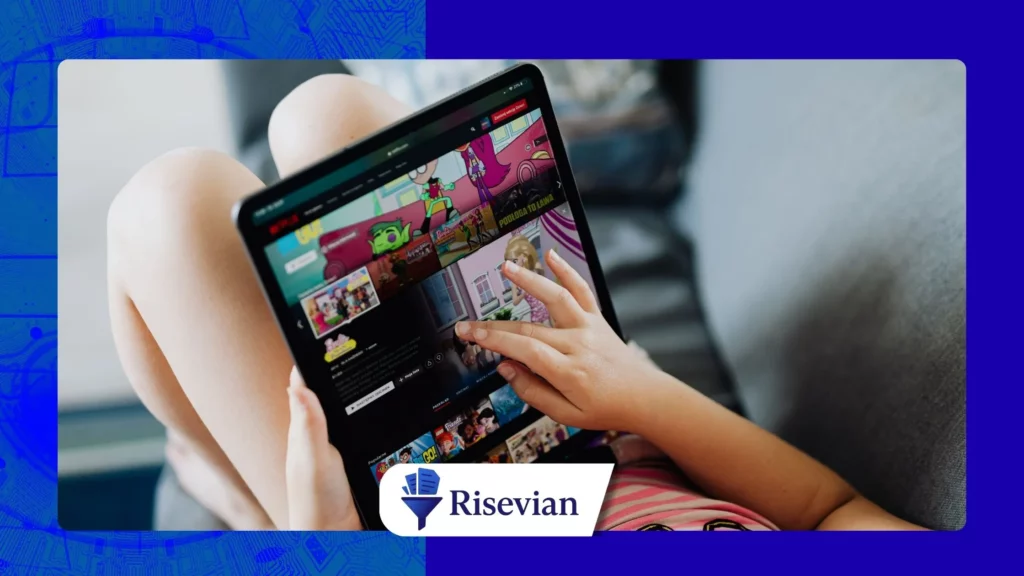
Streaming Platforms have fundamentally altered how entertainment is produced, distributed, and consumed, reshaping audience behavior through instant access, personalized libraries, and subscription-based ecosystems operating across global digital infrastructures.
This transformation represents more than technological convenience, reflecting a structural shift in power from traditional broadcasters toward platforms driven by data analytics and direct relationships with viewers.
Entertainment consumption now follows individual schedules rather than fixed programming, redefining habits around time, attention, and cultural participation.
Anzeigen
These changes influence creative decisions, business models, and labor conditions within film, television, music, and live content industries.
By examining how streaming platforms operate and evolve, this article explores their economic, cultural, and social consequences in contemporary entertainment landscapes.
Understanding this shift provides insight into how digital systems redefine storytelling, audience engagement, and long-term industry sustainability.
The Shift From Scheduled Broadcasting to On-Demand Access
Traditional entertainment relied on scheduled broadcasting, where audiences adapted routines to fixed programming determined by television networks and cinema release calendars.
Streaming platforms reversed this dynamic by placing control in viewers’ hands, allowing content consumption at any time, across devices, and without geographic restrictions.
This on-demand access encourages fragmented viewing patterns, where entertainment integrates seamlessly into daily routines rather than dominating specific time slots.
For many households, appointment viewing has disappeared, replaced by personalized queues shaped by individual preferences and algorithmic suggestions.
The shift reflects broader cultural changes prioritizing flexibility, autonomy, and customization within digital entertainment experiences.
+ Wichtige Filmveröffentlichungen im Jahr 2026
Data-Driven Content Creation and Investment
Streaming platforms increasingly rely on data analytics to guide content creation, investment decisions, and audience targeting strategies.
Viewer behavior, including completion rates and rewatch frequency, informs which genres and narratives receive funding and global promotion.
Industry research discussed by the Britisches Filminstitut shows how streaming data reshapes commissioning practices and production risk assessment.
This approach reduces uncertainty but raises concerns about creative homogenization driven by metrics rather than artistic experimentation.
Data-driven strategies redefine success metrics, prioritizing engagement and retention over traditional box office or ratings performance.
Changing Storytelling Formats and Narrative Structures
Streaming platforms influence storytelling by encouraging serialized narratives designed for extended engagement rather than episodic closure.
Binge-watching culture favors complex character arcs and long-form storytelling that unfolds gradually across multiple episodes or seasons.
Writers now structure stories to maintain momentum and viewer curiosity, often ending episodes with unresolved tensions to encourage continuous viewing.
This narrative evolution affects pacing, character development, and thematic depth within modern entertainment content.
Streaming storytelling reflects how platform design directly shapes creative expression and audience experience.

Economic Disruption and Industry Power Shifts
The rise of streaming platforms disrupts traditional revenue models by replacing advertising and ticket sales with subscription-based income streams.
Major studios increasingly compete directly with platforms they once supplied, accelerating consolidation and vertical integration across entertainment industries.
Independent creators gain new distribution opportunities but often face opaque compensation structures and limited bargaining power.
The following table outlines key differences between traditional and streaming-based entertainment models:
| Aspekt | Traditional Media | Streaming Platforms |
|---|---|---|
| Distribution | Scheduled, regional | On-demand, global |
| Revenue Model | Ads and ticket sales | Subscriptions |
| Audience Data | Beschränkt | Umfassende Analysen |
These economic shifts redefine who controls content, audiences, and long-term profitability.
Audience Behavior and Cultural Consumption
Streaming platforms reshape audience behavior by promoting personalization and continuous discovery through recommendation algorithms.
Viewers increasingly consume niche content aligned with personal interests rather than shared national programming experiences.
Research insights from the Pew-Forschungszentrum highlight how digital media fragments audiences while expanding content diversity.
Shared cultural moments become rarer, replaced by individualized viewing journeys and asynchronous discussion across social platforms.
This fragmentation challenges traditional notions of collective entertainment culture while enabling broader representation.
Globalization and Local Content Strategies
Streaming platforms accelerate globalization by distributing content across borders without traditional licensing limitations.
Local productions gain international visibility, as seen with non-English series achieving global popularity through platform promotion.
Platforms invest in regional content to attract diverse subscribers while complying with local regulations and cultural expectations.
This strategy expands creative opportunities for local industries while intensifying competition for global attention.
Global distribution reshapes cultural exchange, allowing stories from different regions to influence worldwide entertainment trends.
Streaming platforms accelerate globalization by distributing content across borders without traditional licensing limitations, allowing audiences to access international films, series, and documentaries simultaneously upon release.
Local productions gain international visibility, as demonstrated by regional dramas and films achieving global popularity through algorithmic promotion and subtitling strategies designed for cross-cultural reach.
Platforms invest heavily in regional content to attract local subscribers, comply with cultural regulations, and build authentic narratives rooted in specific social contexts.
This approach strengthens local creative industries while exposing them to global competition and performance metrics based on worldwide engagement.
Globalization through streaming reshapes cultural exchange, enabling local stories to influence global entertainment trends while challenging creators to balance authenticity with international appeal.
+ Wie Virtual Reality die Unterhaltungsbranche verändert
Abschluss
Streaming Platforms have permanently altered entertainment by redefining access, storytelling, and industry economics within digital-first ecosystems.
Their influence extends beyond convenience, reshaping cultural habits, creative processes, and power structures across global media industries.
While streaming expands choice and representation, it also raises concerns about sustainability, labor equity, and cultural fragmentation.
Understanding these dynamics helps audiences and creators navigate an entertainment landscape increasingly shaped by platform-driven logic.
Häufig gestellte Fragen
1. How are streaming platforms different from traditional television?
Streaming platforms offer on-demand access, personalized recommendations, and global distribution, unlike traditional television’s fixed schedules and regional limitations.
2. Why do streaming platforms rely heavily on data?
Data helps platforms understand audience behavior, reduce financial risk, and tailor content strategies to maximize engagement and subscriber retention.
3. How has streaming changed storytelling?
Streaming encourages serialized, long-form narratives designed for continuous viewing rather than episodic closure.
4. Do streaming platforms benefit independent creators?
They provide global distribution opportunities but often limit transparency regarding compensation and long-term revenue sharing.
5. Will streaming replace traditional entertainment completely?
Streaming dominates growth, but traditional formats persist alongside digital platforms, adapting to changing audience preferences.
6. How do streaming platforms influence content diversity?
Streaming platforms expand content diversity by funding niche genres and international productions, although algorithmic prioritization can still limit visibility for less commercially driven works.
7. What impact do streaming platforms have on traditional cinemas?
Streaming platforms reduce cinema attendance for some releases while pushing theaters to focus on premium experiences, exclusive screenings, and blockbuster-driven business models.
8. How do subscription models affect consumer behavior?
Subscription models encourage continuous consumption and platform loyalty, often leading users to evaluate entertainment value based on catalog size and exclusive content availability.
9. Are streaming platforms changing how artists are paid?
Streaming platforms alter compensation structures by prioritizing scale and engagement metrics, which can disadvantage smaller creators compared to traditional licensing agreements.
10. What challenges do streaming platforms face in the future?
Future challenges include market saturation, rising production costs, regulatory pressure, and balancing global expansion with sustainable creative and labor practices.
+ Warum Comfort Entertainment im Streaming-Zeitalter Blockbuster ersetzt