Anúncios
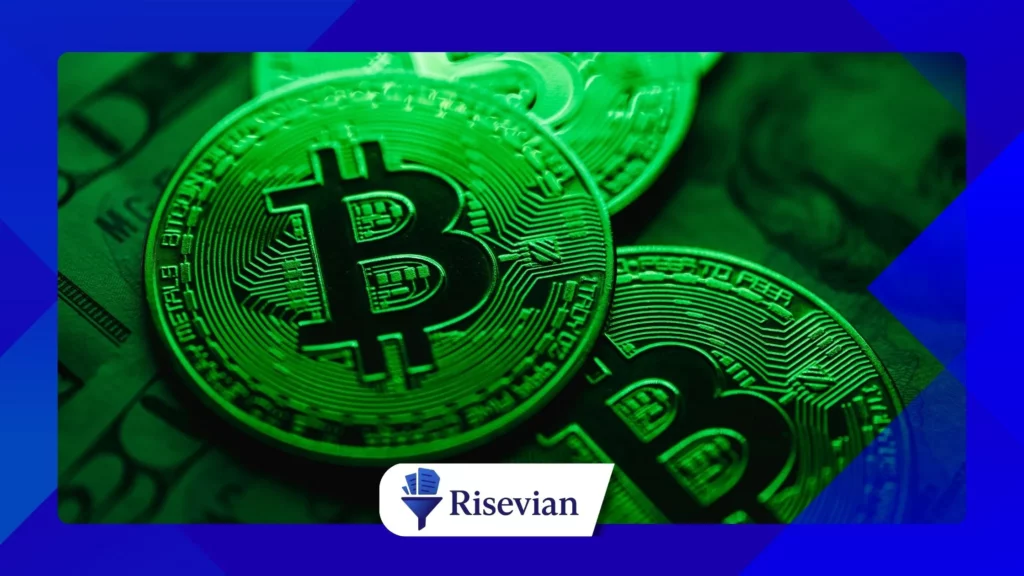
Blockchain technology is commonly associated with cryptocurrency, but its potential extends far beyond digital currencies.
The underlying technology offers solutions to a range of real-world problems in industries ranging from healthcare to finance, supply chain management, and voting systems.
As blockchain continues to mature, it is being explored for a variety of applications that can revolutionize how we conduct business and interact with data.
Cryptocurrency, such as Bitcoin and Ethereum, operates on blockchain networks, but the technology itself can be used in ways that improve transparency, security, and efficiency. Beyond cryptocurrencies, blockchain is being deployed in diverse fields to enhance operations and streamline processes.
This article explores the various uses of blockchain technology, highlighting its potential to transform industries and reshape traditional business models.
Anúncios
Blockchain’s decentralized nature makes it well-suited for applications where trust and transparency are critical. Through real-world examples and insights, we will examine the impact of blockchain in several industries, focusing on the far-reaching applications of this technology.
Blockchain in Supply Chain Management
Supply chain management is one of the most promising areas where blockchain technology is making a significant impact. Blockchain provides a tamper-proof, transparent ledger that allows all parties to track the movement of goods in real-time.
This can be especially beneficial in industries such as food, pharmaceuticals, and luxury goods.
Maersk and IBM have introduced TradeLens, a blockchain-based platform that enables more efficient and transparent shipping operations. IBM Blockchain is helping transform the way supply chains are managed by providing transparency and improving efficiency.
Blockchain ensures that all transactions are securely recorded, making it difficult for parties to manipulate data. As more companies adopt blockchain solutions, the technology is likely to reshape supply chains globally, offering increased efficiency and greater accountability.
According to the World Economic Forum, blockchain is transforming global supply chains by improving transparency and reducing inefficiencies in logistics.
Blockchain in Healthcare
The healthcare industry has long struggled with issues related to data security, privacy, and interoperability.
Blockchain technology offers a potential solution to many of these challenges by providing a secure and immutable way to store patient records and share data across healthcare systems.
Blockchain can improve the management of patient data by ensuring that records are tamper-proof and securely shared between healthcare providers. This can reduce medical errors, streamline administrative processes, and improve patient outcomes.
One example of blockchain implementation in healthcare is MedRec, a system designed to give patients control over their health records.
Blockchain can also be used to improve drug supply chains, ensuring that pharmaceutical products are authentic and safe. By tracking the movement of drugs from manufacturers to pharmacies, blockchain helps prevent the distribution of counterfeit drugs.
Overall, blockchain’s potential in healthcare extends beyond data management and could contribute to reducing costs, increasing efficiency, and enhancing patient care.
+ Storage Cleaning and File Management
Blockchain in Voting Systems
Voting systems are an essential component of democracy, but many countries face challenges related to voter fraud, vote tampering, and lack of transparency. Blockchain has the potential to solve these issues by providing a secure, transparent, and tamper-proof voting system.
Blockchain’s decentralized nature ensures the integrity of election results. It also provides an auditable trail of votes, improving transparency and trust in the electoral process. Several pilot projects have already explored the use of blockchain for voting.
For example, in 2018, West Virginia in the United States implemented a blockchain-based mobile voting app for military personnel stationed overseas.
In addition to its use in traditional elections, blockchain-based voting systems could also be used for corporate governance, enabling shareholders to vote securely on issues such as executive compensation, mergers, and acquisitions.
Blockchain-based voting could revolutionize elections, making the process more secure, transparent, and efficient.

Blockchain in Real Estate
Blockchain has the potential to disrupt the real estate industry by offering a more transparent, efficient, and secure way to manage property transactions.
Traditionally, real estate transactions require multiple intermediaries, such as banks, title companies, and notaries. Blockchain simplifies this process by creating a secure, transparent record of ownership.
In real estate, blockchain can be used to digitize property titles, reducing the time and cost associated with verifying ownership. By recording transactions on a blockchain, property ownership can be tracked in real time, reducing fraud and errors in property records.
This is particularly valuable in countries where property titles are often subject to disputes.
Smart contracts can also automate various aspects of the real estate process. For example, a smart contract could automatically execute the transfer of property ownership once all conditions are met, expediting the process.
Blockchain could make real estate more accessible and efficient for individuals and businesses alike.
Blockchain in Financial Services
Blockchain technology is already well-known for its role in cryptocurrency, but its applications extend beyond digital currencies. The financial services industry stands to benefit significantly from the use of blockchain, particularly in areas such as cross-border payments, fraud prevention, and financial inclusion.
Blockchain offers a more secure and efficient way to transfer money across borders, eliminating the need for intermediaries such as banks. By using blockchain, individuals and businesses can send money quickly and securely without incurring high fees.
For example, Ripple’s blockchain-based platform allows for instant, low-cost cross-border payments, transforming how international transactions are conducted.
Blockchain can also be used to enhance fraud prevention by offering a secure, transparent ledger of all financial transactions. This reduces the risk of identity theft and financial fraud, which is a growing concern in the digital age.
Blockchain has the potential to improve financial inclusion by providing access to financial services for unbanked populations. By leveraging blockchain-based solutions, individuals without access to traditional banking systems can participate in the global economy.
+ Network Diagnostics and Wi-Fi Performance Utilities
Conclusion
Blockchain technology offers vast potential beyond cryptocurrency. From transforming supply chains to revolutionizing healthcare and voting systems, blockchain is proving to be a versatile tool capable of improving transparency, security, and efficiency.
Its decentralized nature makes it ideal for applications where trust and data integrity are paramount.
The real-world applications of blockchain are expanding rapidly, and industries across the globe are adopting the technology to solve complex challenges. While there are hurdles to overcome, such as regulatory concerns and technological adoption, blockchain’s potential to transform industries is undeniable.
As businesses and governments explore blockchain’s capabilities, we can expect to see significant improvements in the way we interact with data.
The future of blockchain is bright, with continuous innovations expected to drive its growth. Blockchain will continue to play a key role in reshaping industries and solving global challenges.
FAQ
1. How does blockchain improve transparency in supply chains?
Blockchain enhances transparency in supply chains by providing a secure, tamper-proof ledger where all transactions can be tracked in real-time. This allows all parties involved to verify product origin, status, and movement, ensuring a transparent flow of goods.
2. How does blockchain work?
Blockchain stores data in “blocks” linked together in a chain, with each block containing transaction details, and is verified by network participants.
3. What industries are using blockchain beyond cryptocurrency?
Industries such as supply chain management, healthcare, voting systems, real estate, and financial services are using blockchain for various applications.
4. How does blockchain enhance security?
Blockchain offers tamper-proof data storage and verification, ensuring that records cannot be altered once they are added to the chain.
5. What is a smart contract?
A smart contract is a self-executing contract with the terms of the agreement directly written into code, running on a blockchain.