Anúncios
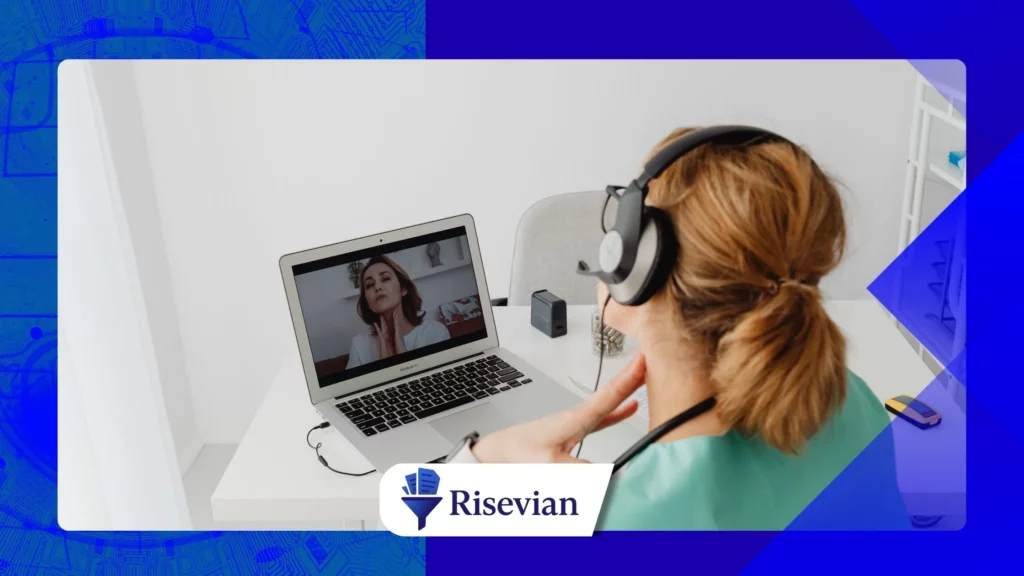
Telemedicine has become a lifeline for many living in remote areas, offering a vital connection to healthcare where medical resources are limited. This form of healthcare delivery uses digital technology to bridge the distance between patients and healthcare providers.
As healthcare evolves, telemedicine has emerged as a solution for improving healthcare in remote areas. It enables timely medical consultations and interventions in underserved locations.
The need for accessible healthcare in remote areas is more apparent than ever, and telemedicine plays a crucial role in addressing this challenge.
This article explores how telemedicine is transforming healthcare delivery in remote areas.
Understanding Telemedicine and Its Impact on Remote Healthcare
Telemedicine refers to the use of telecommunications technology to provide medical care remotely. It allows healthcare professionals to assess, diagnose, and treat patients without physical visits. In remote areas, this innovation eliminates the need for long travels to healthcare facilities.
Anúncios
Patients can receive consultations via video calls and even follow-up care from home.
Telemedicine also enables healthcare professionals to provide real-time care, which is essential for managing chronic conditions or emergencies.
Rural populations often face long distances to see a specialist, which can delay necessary treatments. With telemedicine, specialists from urban centers can offer consultations to patients in rural areas, allowing for faster diagnosis and treatment plans.
As stated by the World Health Organization, telemedicine has the potential to significantly improve access to healthcare, especially in remote and underserved communities.
Despite its promise, there are challenges to the widespread adoption of telemedicine in remote areas. These include issues related to internet connectivity, access to digital devices, and patient awareness of these services.
Many rural regions lack reliable internet infrastructure, which can impede telemedicine’s effectiveness. However, low-bandwidth technologies are being developed to address these challenges and expand access.
Challenges of Providing Healthcare in Remote Areas
Providing quality healthcare in remote areas presents challenges, including geographical isolation and lack of resources.
Rural healthcare facilities are often underfunded and understaffed, making it difficult for residents to access timely care. Without access to specialists or advanced technologies, patients face delays in diagnosis and treatment.
Cultural and language barriers can also complicate healthcare delivery. Many remote communities have distinct languages, customs, and health practices, making effective communication difficult.
This can lead to misdiagnoses or inadequate treatment plans. Telemedicine helps connect patients with providers who are more equipped to address their needs, regardless of language or geographic barriers.
One of the biggest challenges is the lack of internet access in remote areas. Many rural communities still have limited broadband coverage, which can impede telemedicine’s effectiveness.
Without reliable internet, patients may struggle to connect with healthcare providers or access resources.
“According to the National Institutes of Health, telemedicine has been shown to improve care in rural areas by enabling remote consultations that overcome the issue of distance.
Telemedicine also requires training healthcare providers to use digital tools effectively. Healthcare professionals in remote areas may not be familiar with the technology needed for remote consultations. This requires education and training to ensure effective care delivery.
+ How to Improve Wi-Fi Speed at Home Without Complications
The Role of Telemedicine in Preventative Care
Preventative care is crucial in remote areas, where access to regular check-ups and screenings is limited. Telemedicine enables patients to engage in preventative care without needing to travel long distances.
Through virtual consultations, healthcare providers can offer guidance on healthy lifestyles, screenings, and addressing health risks early.
By providing remote monitoring of chronic conditions such as diabetes and hypertension, telemedicine helps prevent complications that might otherwise go undetected.
Patients receive regular updates on their health and can make necessary lifestyle changes based on their doctors’ recommendations.
Telemedicine also facilitates health education, empowering patients with the knowledge to make informed health decisions.
Healthcare providers can offer online workshops on topics like nutrition, exercise, and mental health, improving health outcomes in underserved populations.
Preventative care delivered through telemedicine can also reduce healthcare costs. By catching health issues early, patients can avoid expensive hospital visits.
This makes healthcare more affordable and sustainable for both patients and systems.

The Future of Telemedicine in Rural Healthcare
The future of telemedicine in rural healthcare looks promising, with continued advancements in technology and policy supporting its growth.
As internet infrastructure improves and digital tools become more sophisticated, telemedicine will continue expanding its reach.
Innovations in remote monitoring devices will further enhance telemedicine’s effectiveness, allowing for more personalized care.
Governments are also recognizing the importance of telemedicine in addressing healthcare disparities. Many countries are investing in telemedicine infrastructure and creating policies that support its integration into healthcare systems.
These efforts are expected to create a more sustainable model for delivering care to rural populations.
Telemedicine will also play a key role in reducing healthcare costs. By streamlining consultations and enabling remote monitoring, healthcare providers can manage patient care more efficiently, reducing the need for in-person visits and hospitalizations.
The increasing adoption of telemedicine can alleviate the shortage of healthcare professionals in rural areas. Specialists can offer their expertise to patients in remote regions without needing to relocate.
This could help fill gaps in care and improve healthcare access for underserved populations.
+ Network Diagnostics and Wi-Fi Performance Utilities
Conclusion
Telemedicine has already begun transforming healthcare in remote areas by improving access, efficiency, and the quality of care.
It offers a viable solution to the challenges posed by isolation and limited resources. With continued investment in technology and infrastructure, telemedicine can bridge the healthcare gap between urban and rural populations.
The role of telemedicine in preventative care is crucial, as it enables regular check-ups and screenings remotely.
By empowering patients with the knowledge and tools to manage their health, telemedicine contributes to better health outcomes.
However, telemedicine’s widespread adoption still faces challenges, particularly in areas with limited internet access.
Overcoming these obstacles will require innovation, investment, and collaboration between governments, healthcare providers, and tech companies.
Ultimately, telemedicine represents the future of healthcare, especially for those in remote areas. It offers a path to greater healthcare equity, ensuring that all populations receive timely and effective care.
FAQ
1. What is telemedicine?
Telemedicine is the use of telecommunications technology to provide healthcare remotely, allowing patients to consult with healthcare providers without needing to be physically present.
2. How does telemedicine benefit rural communities?
Telemedicine improves healthcare access in rural areas by enabling remote consultations, reducing the need for travel, and connecting patients with specialists.
3. What are the challenges of telemedicine in remote areas?
Challenges include limited internet access, lack of digital literacy, and the need for training healthcare providers to use digital tools effectively.
4. How does telemedicine support preventative care?
Telemedicine allows for remote monitoring of chronic conditions and regular health check-ups, helping prevent serious health complications in rural populations.
5. What is the future of telemedicine?
The future of telemedicine looks promising, with ongoing technological advancements, improved infrastructure, and policies supporting its expansion, particularly in rural areas.